Middle East Conflict Triggers Historic Oil Supply Disruption

The Conflict and Its Immediate Fallout
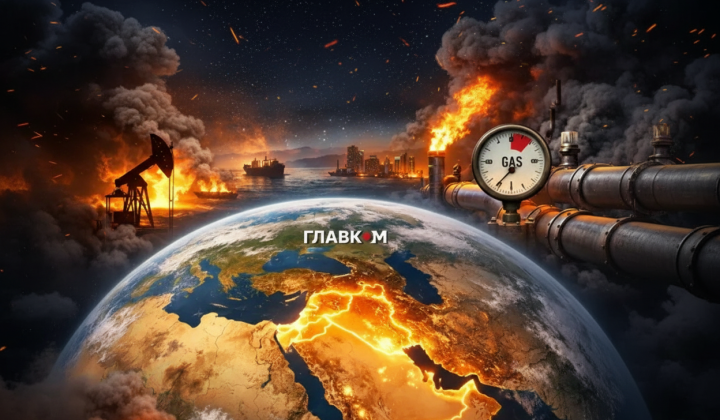
According to Главком: The ongoing war in the Middle East, involving the United States, Israel, and Iran, has caused the largest oil supply disruption in history. The primary cause has been the blockade of the Strait of Hormuz, which has cut off nearly 15% of the world's oil from the global market. This conflict has halted half of the oil production in the critical Persian Gulf region, with severe implications for the global economy. The Strait of Hormuz is a vital maritime chokepoint for global energy shipments.
Energy Crisis and Global Impact
This energy collapse has been accompanied by a sharp spike in fuel prices. In the United States, gasoline prices rose by 20% in the conflict's first 11 days. Aviation fuel costs have increased 2.5 to 3 times, directly impacting airfare. For instance, the price of a ticket from Singapore to London has tripled, while the number of available seats has been nearly halved due to the need to reroute flights around the conflict zone.
Furthermore, the regional situation threatens global food security. The Persian Gulf countries supplied one-third of the world's fertilizers, and the halt in oil production is leading to a reduction in these exports. Daily oil extraction has fallen by millions of barrels due to attacks on infrastructure and the stoppage of tanker traffic. Experts from the International Energy Agency (IEA) note that even if active hostilities cease, it will take months, if not years, to rebuild the destroyed infrastructure, including refineries, ports, and pipelines.
Simultaneously, Russia stands to gain up to $150 million in additional daily revenue due to rising global oil prices. The United States has issued a temporary license allowing the sale of Russian oil and oil products already at sea on tankers until April 11. Kremlin spokesman Dmitry Peskov noted that
"there now seem to be many willing to buy Russian oil after the softening of U.S. sanctions."
Thus, the Middle East war has not only impacted the energy sector but also created a threat to economic stability worldwide. The gravity of the situation underscores the need to monitor fuel prices and their ripple effects on other economic areas, including mortgages, loans, and overall inflation.
This crisis highlights the critical importance of Middle Eastern stability for the global energy market. The loss of oil supply from this region can have far-reaching consequences, affecting not just fuel prices but a broad range of economic indicators, including inflation and consumer spending. Rising energy costs can lead to reduced consumer demand, which may, in turn, negatively impact economic growth in many countries. It is crucial to follow developments and potential solutions proposed to stabilize the market.

Read also