Political Analyst Warns: U.S. Gulf War Poses a Global Economic Threat


The Consequences of the U.S. Military Campaign in the Middle East
According to ХВИЛЯ: Political analyst Yuriy Romanenko has outlined the potential repercussions of the ongoing U.S. military campaign in the Middle East, focusing on its impact on relations with Arab allies and the global economy. Discussing the regional situation, particularly in the Persian Gulf, he underscored the severe consequences that could stem from prolonged military engagement. The stability of this region is critical, as it remains a nexus for global energy supplies and geopolitical alliances.
Romanenko raised pointed questions about the true nature of America's partnerships in the region.
“Are they even allies, or are they merely playing the role of a frog stretched out on a table, being dissected and having its intestines removed... as part of a kind of biopolitical experiment?” he remarked.
This metaphor, in his view, illustrates the complexity and ambiguity characterizing the relationship between the United States and Middle Eastern nations.
Potential Economic Fallout
The analyst also highlighted the likely consequences for the world economy.
“This war in the Gulf will drag on for several more months. As a result, it will have the most serious implications for the global food market,” Romanenko added.
He stressed the importance of considering these factors to understand emerging global economic trends. Disruptions in the Gulf can trigger ripple effects across international trade and commodity prices.
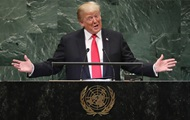
Furthermore, the expert expressed concern regarding the actions of Donald Trump's administration, stating: “The U.S. is simply reckless, with all the ensuing consequences for security and the economy.” This suggests that the military actions could have far-reaching implications not only for the Middle East but for the international community as a whole.
The continuing U.S. military campaign in the Middle East raises persistent questions about regional stability and relations with Arab states, which may be jeopardized by protracted conflict. The economic fallout, particularly concerning food security, could be felt not just by the nations directly involved but by the global economy at large. Consequently, developments in this part of the world remain a pressing concern for the international community, demanding careful observation and analysis.
As the situation in the Gulf escalates, it is crucial to consider how the current U.S. military strategy is not only affecting regional stability but also fostering a crisis of trust among global partners. Understanding these dynamics can provide deeper insights into the broader implications for international security and economic stability.

Read also