War Gives Black Sea Fish a Boost: Turbot and Sturgeon Populations on the Rise

How Conflict Is Reshaping the Black Sea Ecosystem
According to Главком: The war in Ukraine has unexpectedly altered the Black Sea's ecosystem, creating favorable conditions for the recovery of several commercially valuable fish species. With fishing activities sharply curtailed, the population of Black Sea turbot (also known as Kalkan) is expected to increase. For years, this species was heavily targeted by both legal and illegal fishing operations, but today the coastal zone offers a rich food supply that supports its growth.
According to Viktor Demchenko, Deputy Director of the Institute of Marine Biology at the National Academy of Sciences of Ukraine and a Doctor of Biological Sciences,
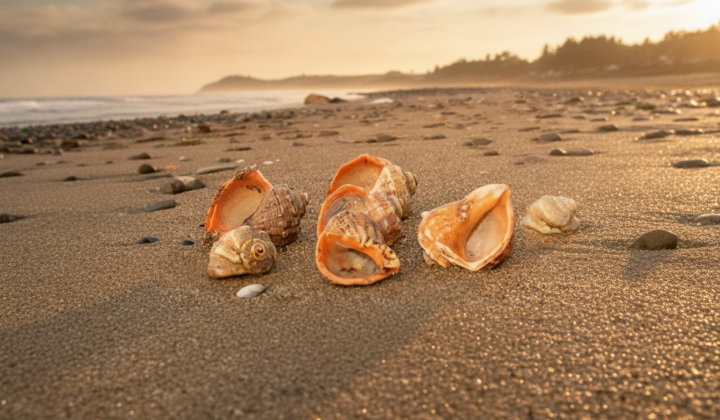
“In the past, rapa whelk catches in the Black Sea were two to three times higher than all fish catches combined: fish totaled 3,000–5,000 tons per year, while rapa whelk reached 10,000–12,000 tons.”
Before the war, rapa whelk was the primary target of Black Sea fisheries. This invasive species originally arrived from the Pacific Ocean by attaching itself to ship hulls. It first established itself off the coast of Turkey, later spread to Georgia, and appeared near Crimea in the late 1980s. Eventually, rapa whelk expanded into the waters off the Odesa, Kherson, and Mykolaiv regions.
Current Population Trends and Ecosystem Health
Today, rapa whelk numbers in the Ukrainian part of the Black Sea remain stable, though future projections are uncertain.
“Right now, in our coastal zone, rapa whelk is doing well-its population is stable-but what will happen next, we cannot yet predict,”
said Viktor Demchenko. The peak of rapa whelk abundance in this area occurred in the 2010s. Based on experiences in other countries, within about a decade, rapa whelk tends to deplete its own food sources, shrink in size, and lose its commercial value.
The wartime restrictions on fishing have also benefited sturgeon populations in the Danube River. Additionally, the Black Sea ecosystem has largely recovered from the damage caused by the explosion at the Kakhovka Hydroelectric Power Plant, signaling positive changes in this aquatic environment. Another encouraging sign is the beginning of a recovery in mussel populations, further indicating improved ecological conditions in the region.
The resurgence of commercial species like Black Sea turbot and sturgeon demonstrates that the Black Sea ecosystem can adapt to the new conditions brought about by the war. This could have significant implications for the future of regional fisheries and ecological stability. However, uncertainty surrounding the long-term trajectory of rapa whelk populations and potential environmental shifts means that questions about the ecosystem's lasting health remain unanswered.
As the ecosystems of Eastern European waters evolve, similar patterns are emerging in the Danube and Dnipro rivers, where sturgeon populations are seeing a notable increase. This situation offers a glimmer of hope for these endangered species, much like the recovery of turbot in the Black Sea. To learn more about the current trends affecting sturgeon and their habitats, check out this article on the resurgence of sturgeon populations.

Read also