How Modern Warfare Is Being Redefined: Lessons from Ukraine and Iran

The Changing Face of Battle
According to ХВИЛЯ: Armies around the world are rethinking their strategies based on the Russia-Ukraine war and the U.S.-Israel campaign against Iran. These conflicts have seen a surge in drone usage and low-cost precision munitions, fundamentally altering traditional combat approaches. Key developments include:
- the disappearance of a secure rear zone;
- a shift toward autonomous systems;
- a new model for weapons procurement in Ukraine.
Despite expending a substantial portion of their precision-guided munitions, the United States and Israel failed to achieve a strategic defeat of Iran. Meanwhile, long-range missiles-once the exclusive domain of major powers-are now proliferating globally, threatening U.S. bases in the Persian Gulf and Russian assets deep inside its own territory. As Michael Kofman, a senior fellow at the Carnegie Endowment, notes, the current changes in military affairs are evolutionary:
'Revolutions in military affairs are often proclaimed, but they rarely arrive. Most changes, like the current spread of drones and precision strikes, are evolutionary.' - Michael Kofman
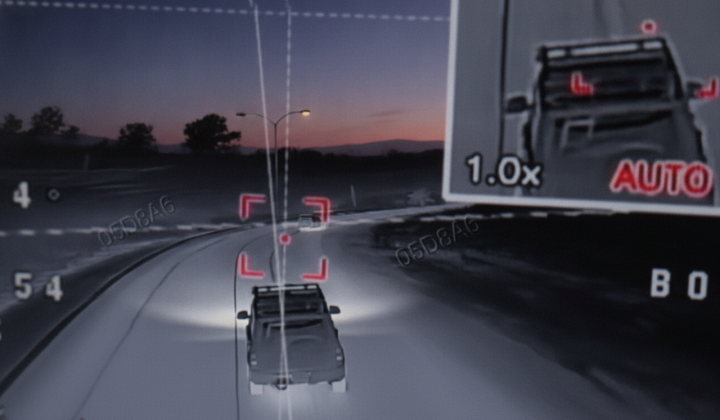
In Ukraine, brigades earn 'e-points' for confirmed video footage of strikes on Russian equipment and personnel. These points are converted into cash through the Delta network, and weapons are purchased directly from manufacturers via a closed online marketplace. Drones account for over 90% of enemy losses in Ukraine, highlighting their effectiveness on the modern battlefield. German Armed Forces Inspector General, General Carsten Breuer, stressed the need for constant adaptation to front-line changes:
'We cannot stop deterrence and tell the opponent to come back in 2039.' - Carsten Breuer
Emerging Technologies in Combat
Autonomous drones from the German company Helsing are already patrolling roads in occupied southern Ukraine. Meanwhile, Russia, lacking access to Starlink, has begun deploying 'Molniya' drones without a human in the control loop. Gundbert Scherf, co-CEO of Helsing, predicts that within five to ten years, autonomy will become the main game-changing factor in warfare. Louis Mosley, head of Palantir's European division, also notes that 2026 could mark a breakthrough moment for autonomy.
On the front lines, engineers are now working closely with soldiers to find new solutions. Weapons are effectively becoming a subscription service, constantly updated to match shifting battlefield conditions. 'A mental revolution has occurred at the procurement level and among military and political leadership,' says Iryna Terekh. In an era of rapidly evolving technology and combat realities, armies worldwide are more actively reassessing their strategies.
In summary, modern military conflicts reveal profound changes in how battles are fought, with technologies like drones and precision strikes playing decisive roles. These shifts not only affect current operations but also forge new principles of warfare, demanding continuous improvement and adaptation from armed forces across the globe. Tracking these trends helps better assess future challenges and opportunities in security and defense.

Read also