Military levy may become permanent: new tax changes promoted in the Rada

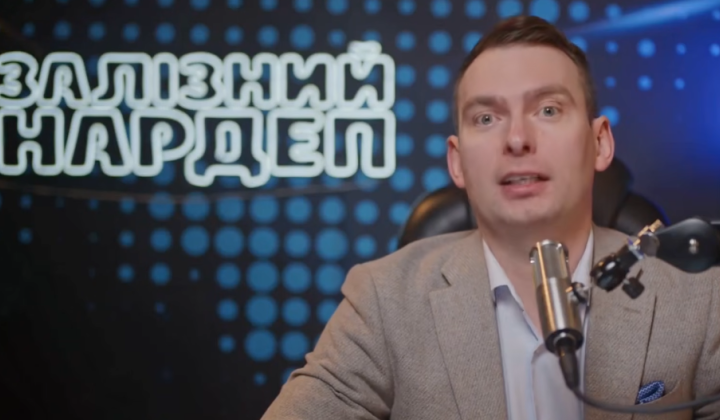
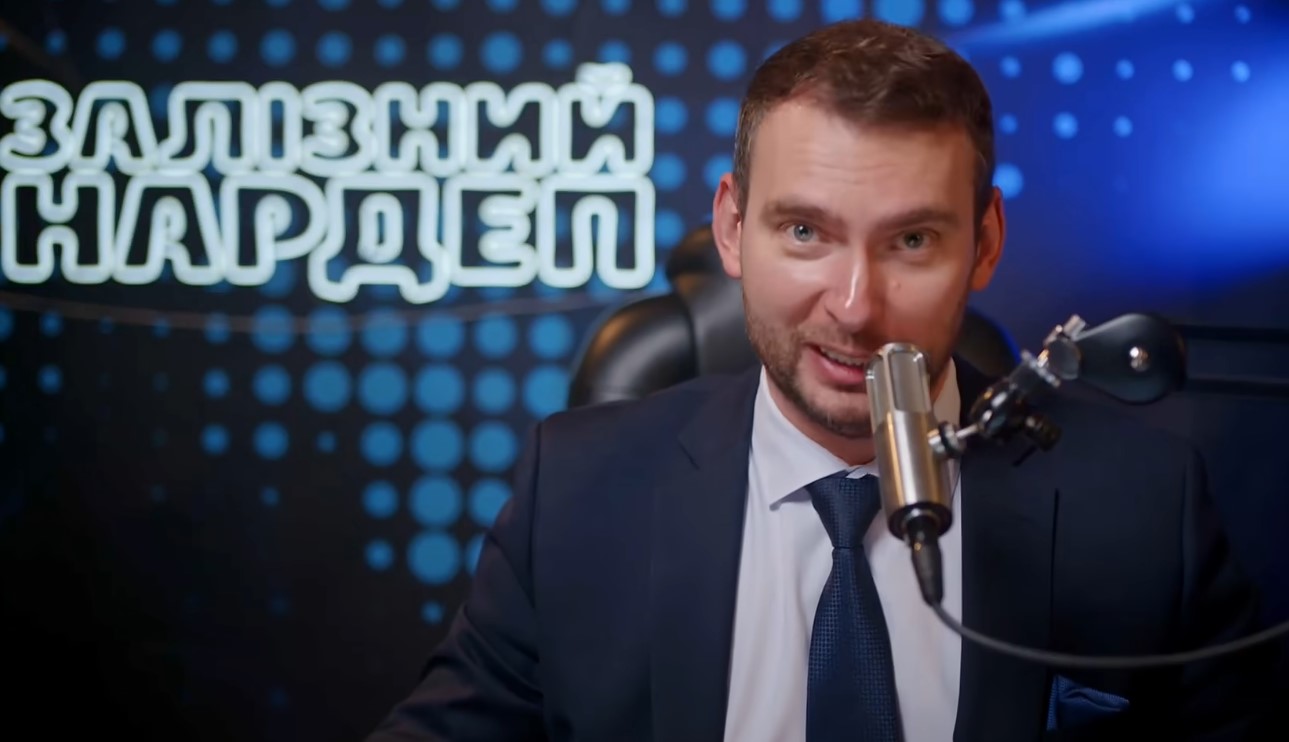
In Ukraine, a decision is being prepared to extend the increased military levy for years after the war ends, which may further burden legal businesses and workers. The corresponding bill has already been registered by the government in parliament. This was reported by MP Yaroslav Zheleznyak.
Military levy in Ukraine: how tax burden is changing
According to Yaroslav Zheleznyak, the overall tax burden on salaries currently reaches about 37% and consists of several components:
18% personal income tax
military levy (after increase - up to 5%)
22% single social contribution.
As a result, employers operating “in the white” find themselves in worse conditions compared to the shadow sector, where salaries are paid in envelopes or through individual entrepreneurs with low taxation.
The MP emphasizes that the new changes actually exacerbate this imbalance, as they increase taxes for those who are already paying them.
Ukraine's tax policy: why the decision is criticized
The bill suggests maintaining the increased military levy for several years after the state of war ends. At the same time, as Zheleznyak notes, the levy does not have a separate targeted fund and goes into the general budget.
Among the key complaints about the new policy:
tax pressure is growing for legal businesses
the shadow economy, which constitutes about 40%, is hardly affected
the levy has no direct link to financing the army
alternative solutions, particularly raising VAT, were not supported.
The MP also reminded that the authorities previously promised to reduce the tax burden on the payroll fund, but instead took the opposite decisions.
What preceded: history of the military levy
The military levy was introduced in 2014 as a temporary payment of 1.5%. It was then increased to 5% amid budget needs during the war.
According to data provided by the politician, this tax accounts for only part of the revenues, while the main source of budget income is VAT.
He also emphasized that the issue of shadow employment remains unresolved, and raising taxes does not encourage employers to come out of the “shadows.”
Earlier, Yaroslav Zheleznyak reported on new steps by the authorities in the budget and finance sphere. According to him, important decisions may take place soon that will impact the economic situation in the country.

Read also