Meditation and Virtual Reality Boost Lucid Dreaming Frequency by Fourfold in University Students

New Hope for Overcoming Nightmares
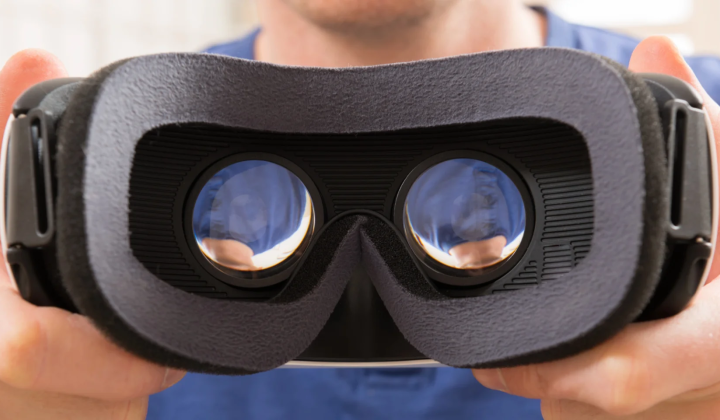
According to НВ — Техно: Neuroscientists have developed a novel approach to identifying dreams using virtual reality (VR). A recent study conducted by Italian researchers at the University of Trento revealed that combining VR training with meditation can increase the occurrence of lucid dreams in students by a factor of four. Participants engaged in bi-weekly sessions over the course of a month, performing reality checks within VR environments and maintaining detailed dream journals. The findings were published in the scientific journal Frontiers in Psychology.
The study involved 38 students who underwent the VR-based training. The results demonstrated a significant rise in the frequency of lucid dreams among those who practiced with VR compared to a control group, which performed reality checks without the aid of meditation or VR. Notably, participants in the control group, who experienced realistic VR simulations but did not meditate, reported lucid dreaming over eight times less often than the experimental group.
Each participant documented their dreams daily following every training session, enabling researchers to track changes in dream awareness. It’s important to highlight that groups lacking meditation practice did not show similar improvements. Andrea Signorelli, one of the lead researchers, explained,
"Virtual reality is a technology that can deceive the brain by simulating stereoscopic vision and auditory cues."
Future Directions in Dream Research
The research team plans to explore whether VR alone-without meditation-can produce comparable effects. They also aim to develop customized VR simulations designed to replicate an individual's recurring nightmares. Morris, a project member, emphasized,
"Lucid dreaming offers a promising therapeutic avenue for those plagued by nightmares, as it empowers individuals to transform frightening dreams into positive experiences and gain greater control over their dream states."
This study’s outcomes may pave the way for innovative psychological treatments, particularly for people affected by distressing nightmares. Integrating virtual reality with meditation could become a valuable strategy to enhance sleep quality and reduce the negative psychological impact of anxiety-driven dreams. The research underscores the growing potential of immersive technologies to contribute to mental health therapies, heralding important implications for future clinical practices.
In addition to the promising findings on lucid dreaming, recent research from Binghamton University has identified connections between breakfast, sleep, and physical activity that enhance psychological flexibility. This highlights the multifaceted nature of sleep and wellness, suggesting that lifestyle choices may significantly impact not only dreaming but overall mental health.

Read also