Russian MP Suggests Internet Shutdowns Could Boost Birth Rates

Statement from Vitaly Milonov
According to Главком: Russian State Duma deputy Vitaly Milonov has proposed using internet shutdowns as a method to increase the nation's birth rate. He argued that
“the internet is an obstacle to conceiving children. Its absence, on the contrary, can bring people back to life. When the connection disappears, people have time to remember traditional values and each other”
.
This statement was made against the backdrop of rallies that took place the day before in most major Russian cities. In Moscow, on Bolotnaya Square, law enforcement officers detained human rights activist, writer, and publicist Alexander Podrabinek, along with two young people. A girl who participated in the protest was taken to a police van but was later released. It is worth noting that the Moscow authorities did not authorize the protest action.
Internet Disruptions and Their Consequences
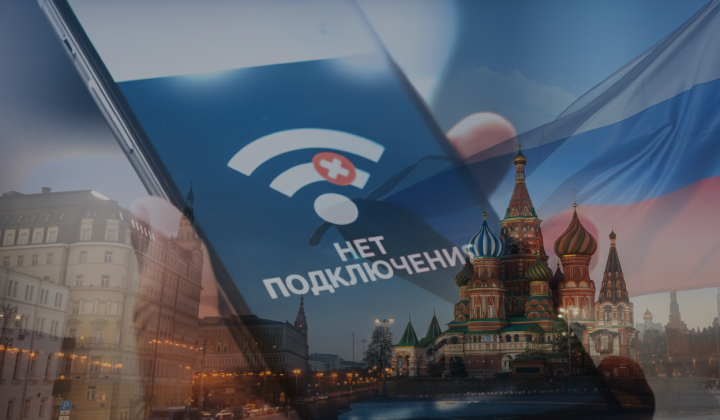
Furthermore, Russia is experiencing widespread mobile internet disruptions, which have begun to seriously impact people's daily lives and businesses. In Moscow, users are complaining of problems with mobile internet, calls, and SMS. Due to the internet outages, familiar services from taxis to food delivery have stopped working. These problems, along with restricted access to certain resources, have become the main reasons for protests in cities across the country.
Vitaly Milonov's statement about shutting down the internet to raise the birth rate reflects not only his personal position but also a broader trend in Russia of seeking unconventional solutions to social problems. This comes as the government promotes policies aimed at strengthening traditional family structures. Simultaneously, the mass rallies and protests occurring against the backdrop of internet disruptions point to growing public dissatisfaction with government policies and living conditions. Social networks, a vital communication tool, are becoming a target for control, which could have serious consequences for civil liberties. These events indicate societal tension and the potential for further protest sentiment to develop among the population.
As discussions around internet shutdowns intensify, the recent detainment of rights activist Alexander Podrabinek highlights the growing tensions surrounding internet freedom in Russia. These protests, fueled by widespread mobile internet disruptions, reflect a broader discontent with government policies and the pursuit of traditional values. For more insights on the implications of these protests and the ongoing struggle for internet freedom, read about the recent detentions of activists.

Read also