Hezbollah Leader's Death Prompts Lebanese President to Warn of Widening War

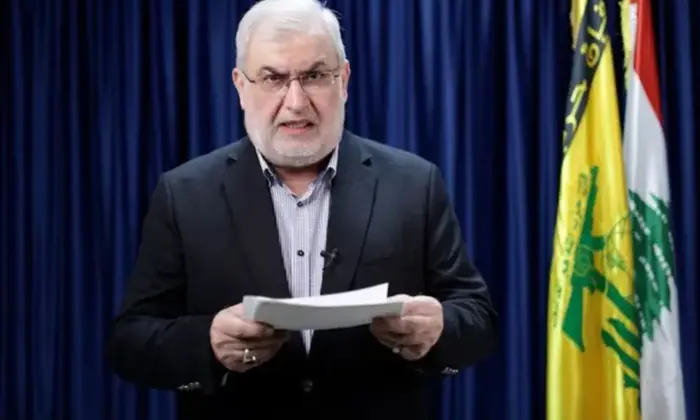
Heightened Tensions in Lebanon Following Senior Hezbollah Figure's Death
According to Главком: Mohammed Raad, the head of Hezbollah's parliamentary bloc, was killed in Israeli strikes targeting the southern suburbs of Beirut. These attacks claimed at least ten lives, according to reports from Al Hadath cited by the Ukrainian outlet 'Glavcom'. In retaliation, Hezbollah claimed responsibility for subsequent strikes on Israel, linking them to the recent killing of Iran's Supreme Leader, Ali Khamenei. This exchange marks a dangerous escalation in the long-running shadow war between Israel and the Iran-backed group.
Lebanese President's Warning
Lebanese President Joseph Aoun expressed grave concern that the country is being dragged into a broader military conflict due to rocket fire launched from its territory. Aoun stated that
"this morning's rocket launches from Lebanese territory undermine all the efforts and attempts by the Lebanese state to keep Lebanon away from the dangerous military confrontations occurring in the region."
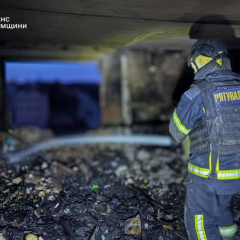
Overnight on March 2nd, the Israel Defense Forces initiated a series of strikes against Hezbollah positions within Lebanon, including in Beirut. Israeli military officials confirmed intercepting one projectile that crossed the border, while others landed in open areas without causing damage or casualties. Reacting to the heightened danger, Lebanon's Ministry of Education ordered the closure of all schools and educational institutions.
Separately, the Iranian government declared a 40-day mourning period following the death of Ali Khamenei. In Mashhad, Iran's second-largest city and a major pilgrimage site for Shia Muslims, a black mourning flag was raised over the Imam Reza shrine.
The situation in the Middle East has grown increasingly volatile following Mohammed Raad's death, raising fears of a major escalation between Hezbollah and Israel. The killing of the senior Hezbollah official and the retaliatory strikes threaten to unleash new waves of violence in a region already strained by political and military rivalries. The international community is closely monitoring developments, as further conflict could destabilize not only Lebanon but the wider Eastern Mediterranean.

Read also