Three Global Economic Scenarios Triggered by Iran's Energy Threat

How Geopolitical Tensions Involving Iran Could Reshape the Global Economy
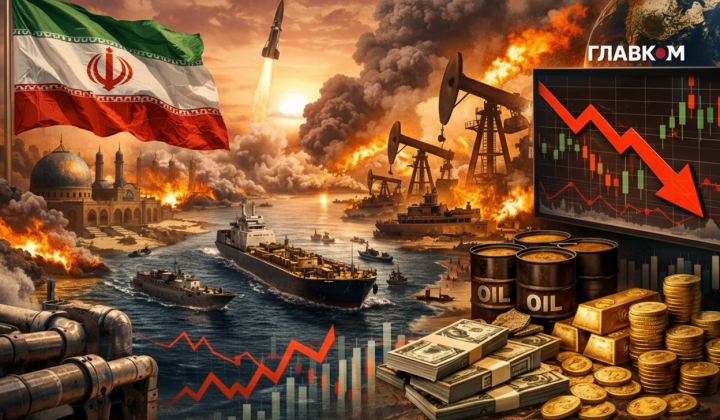
According to Главком: Iran's pivotal position in global energy markets and its control of the Strait of Hormuz present a major source of economic risk amid rising geopolitical tensions. The country holds roughly 10% of the world's proven oil reserves and about 17% of its natural gas reserves. The Strait of Hormuz is a critical chokepoint, handling about one-fifth of global seaborne oil exports, meaning any conflict escalation there could severely disrupt global energy prices and supply chains. This strategic waterway has long been a flashpoint, making stability in the region a concern for economies worldwide.
Potential Conflict Escalation Scenarios
History offers a stark warning: the oil crises of the 1970s, triggered by supply disruptions, led to global inflation and recession. Today, a military conflict could drive energy prices up by 10–20% in the short term. Analysts outline three distinct escalation scenarios and their likely economic consequences:
- Scenario 1: Limited Escalation - Oil prices could rise by 5-10%.
- Scenario 2: Regional Crisis - Prices could surge to $100-$120 per barrel.
- Scenario 3: Global Shock - Prices could exceed $130-$150 per barrel.
These scenarios underscore the critical need to monitor the geopolitical situation, as Iran's substantial role in the energy sector means any shift could have far-reaching consequences for the global economy, not just regional players.
Faced with these risks, energy-importing nations may be compelled to reassess their energy security strategies to reduce reliance on supplies routed through the region. This could involve accelerating the development of alternative energy sources or strengthening partnerships with other suppliers. Furthermore, an escalation would likely trigger political and economic ripple effects, impacting global financial markets and demanding close attention from international investors and analysts.

Read also