Failure of the construction of protective structures for energy facilities: where the billions went

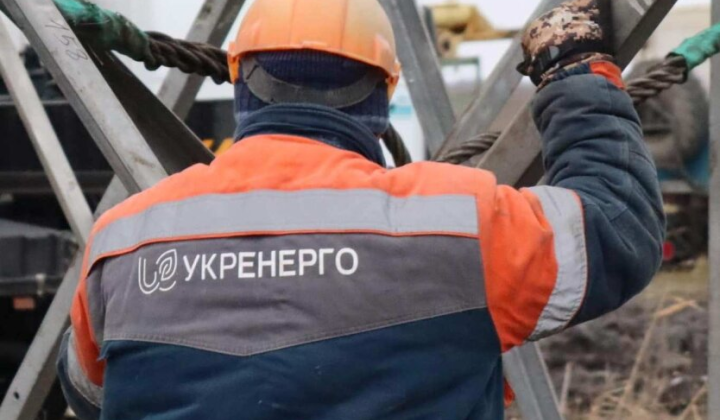
The program for the construction of third-level protective structures has failed
According to hvylya.net: The program for the construction of third-level protective structures (sarcophagi) for key energy infrastructure facilities has failed - none of the 21 facilities were completed, and huge sums of money were 'buried in the ground'. Meanwhile, officials from 'Ukrenergo' manipulated reports on the actual readiness status.
According to the people's deputy of Ukraine, member of the 'Batkivshchyna' faction Oleksii Kucherenko on the air of the KYYIV24 TV channel:
The decision to build these facilities was unprofessional, and its implementation was unsatisfactory. Budget funds were allocated, work began, but they were never completed to a logical conclusion. None of the facilities were finished, and 21 of them were buried under huge amounts of money. There was no other solution for the conservation of construction, and the funds should have been directed towards a smaller, but realistic second level of protection.
Accusations and lack of control
Oleksii Kucherenko accused officials of the NGC 'Ukrenergo' of manipulation and deliberate distortion of information regarding the readiness of the energy system for attacks. He emphasized that they reported one level of readiness, while in reality, there was another. Powerful substations were left without proper protection, and regional energy companies were left to fend for themselves, as the centralized program was not implemented.
The lack of strict control, particularly from the military, led to the failure of preparations and left the Ukrainian energy sector vulnerable.
During the program for the construction of third-level protective structures for energy infrastructure in Ukraine, financial mismanagement was uncovered. None of the facilities were implemented, resulting in the vulnerability of the country's key energy facilities. Huge sums of money were buried in most facilities, resulting in the loss of immunity of the energy system to possible cyberattacks or terrorist acts. An analysis of the readiness of the energy system showed that the actual situation turned out to be much worse than officially reported.

Read also