Russian Oil Industry Losses Top $12.9 Billion from 2025 Drone Strikes

Cost to Russian Oil Companies
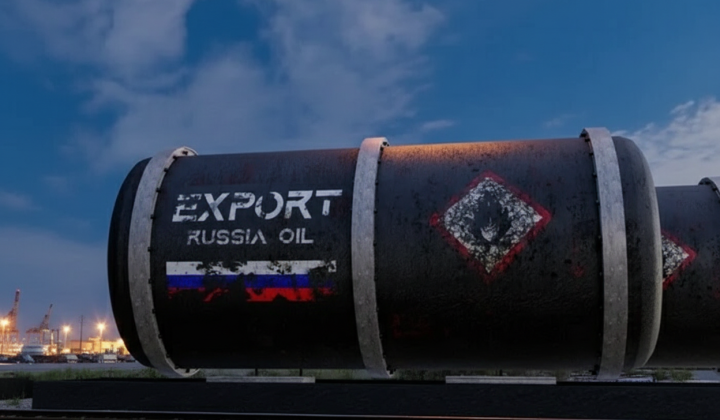
According to Главком: Russian oil companies suffered losses exceeding 1 trillion rubles (approximately $12.9 billion) in 2025 due to Ukrainian drone attacks on their refineries. According to Yevgeny Borovikov, deputy director general of the Russian insurance broker Mains, direct damage to the oil and gas sector from UAV strikes surpassed 100 billion rubles, with the total figure, including lost profits and indirect costs, climbing above 1 trillion. These attacks represent a significant strategic effort to undermine a key pillar of the Russian economy, which is heavily reliant on energy exports.
Attacks on Russian Oil Infrastructure
Ukraine carried out 120 attacks on Russian oil facilities in 2025, with refineries being the primary target. As a result, pipeline oil supplies to Russian refineries dropped to their lowest level in 15 years. The country's overall oil processing volume for the year declined by 1.7% to 262.3 million tons.
In a related development, Ukraine's Main Intelligence Directorate (GUR) published data on 21 Russian enterprises involved in the development and production of unmanned systems. Notably, over half of these companies remain unsanctioned by any member of the international sanctions coalition. Concurrently, Russia unveiled an upgraded UMPB-5 gliding bomb for combat aircraft, indicating continued investment in military technology despite the economic pressures.
The massive losses incurred by Russian oil companies from Ukrainian drone strikes underscore the profound impact the conflict is having on Russia's energy sector.
The reduction in oil processing and falling supplies could have long-term consequences for the national economy, particularly given the ongoing strain of massive military expenditures. Meanwhile, Ukraine's active development of new drone technologies highlights its growing military innovation, which may further enhance its capabilities. Russia's parallel advancements in weaponry suggest both sides continue to prioritize arms investment despite facing significant economic challenges.

Read also