Zheleznyak announced an offensive against corrupt officials due to EU requirements and 90 billion euros

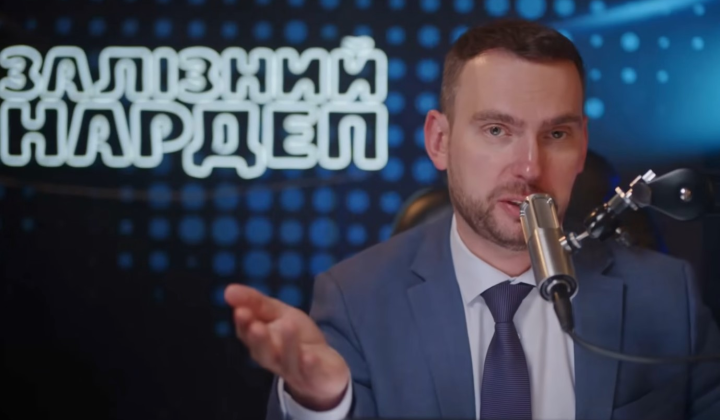
Ukraine has begun implementing a new stage of its Euro-integration obligations, which could significantly enhance the fight against corruption. A group of people's deputies has registered a package of draft laws in the Verkhovna Rada, expanding the powers of NABU and SAP, limiting the possibilities for delaying court processes, and tying anti-corruption reforms to Ukraine's further advancement towards EU membership. This was stated by people's deputy Yaroslav Zheleznyak.
Euro-integration has opened a new stage of anti-corruption reform
According to Zheleznyak, after the opening of the first negotiation cluster with the European Union related to the rule of law and the fight against corruption, Ukraine received clear commitments regarding the reform of law enforcement and judicial systems.
The deputy emphasized that fulfilling these requirements is directly related not only to EU membership but also to receiving financial support from the European Union, the volume of which is estimated at 90 billion euros.
According to him, the government has so far fulfilled only a minor part of its anti-corruption obligations.
NABU may receive new tools for investigations
One of the registered draft laws includes expanding the list of officials whose cases NABU and SAP will investigate.
This list aims to include:
-
leadership of the State Bureau of Investigations;
-
heads of regional administrations;
-
heads of military administrations;
-
leaders of law enforcement agencies;
-
members of supervisory boards of state and municipal companies.
Additionally, it is proposed to grant SAP prosecutors greater powers in matters of international cooperation and extradition of suspects in corruption crimes.
Courts against corrupt officials want to be expedited
The second draft law proposes changes to the Criminal Procedure Code.
Among the key innovations:
-
complication of mechanisms for prolonging court processes;
-
limiting opportunities for submitting repeated identical motions;
-
simplification of case consideration in the absence of one of several lawyers;
-
extension of terms for investigating complex corruption crimes.
The authors of the document believe that such changes will help avoid the closure of high-profile cases due to procedural formalities or artificial delays in consideration.
Zheleznyak stated that it is planned to register a complete package of legislative initiatives necessary for fulfilling the EU's anti-corruption requirements by the end of June. According to him, the deputies are working on the documents together with representatives of the Anti-Corruption Center.

Read also