Women Without Medical Training Illegently Registered for Military Service: Legal Analysis

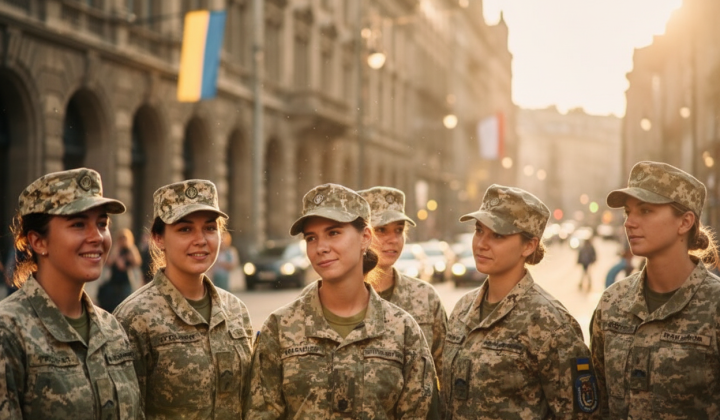
Illegal Registration of Women for Military Duty
According to ХВИЛЯ: Attorney Oleksiy Mendrukh reports that women without medical or pharmaceutical education are being registered for military service en masse without their knowledge via the 'Trembita' system. Ukrainian law stipulates that only women with these two specific professional qualifications are subject to mandatory registration. Several confirmed cases have already been documented, highlighting this systemic issue. This situation arises amidst ongoing martial law, where military registration procedures are under intense scrutiny.
Military correspondent Yehor Lohinov published an account involving his wife, Iryna, a philologist, who was added to the 'Oberih' registry without her consent. The system contained false data claiming she had passed a military medical commission (VLC). Furthermore, at least seven other women from various professional backgrounds have reported similar incidents, indicating the problem is widespread.
Attorney Oleksiy Mendrukh noted he has been approached by women who were illegally registered. He emphasized that 'only two specialties qualify: medical or pharmaceutical.' The 'Trembita' system has access to 37 state registries, which allows data to flow into the 'Oberih' system without proper oversight or verification.
'If you are preparing to make all women eligible for military service, announce it officially. The country is at war; if it's necessary, it's necessary. If not, then help figure out what the hell is going on.' Yehor Lohinov
The Critical Need for Transparency in Registration
The situation regarding the unlawful registration of women could provoke significant public outrage and raise questions about state actions during wartime. Transparency in these processes is critically important, as it directly impacts citizens' trust in the system and government authorities. In a context where the nation faces a direct threat, clear communication and openness from the government can help prevent public panic and misunderstandings.
The ongoing situation regarding the unlawful military registration of women raises critical concerns about the state’s approach to military obligations during wartime. As similar issues unfold, such as the recent decision to reassess the status of thousands previously deemed unfit for service, the need for clear and transparent policies becomes increasingly urgent. Understanding the broader context of military registrations and their implications is essential for citizens during these challenging times.

Read also