Passenger transport in suburban buses may increase in Ukraine if fuel prices rise by another 10%

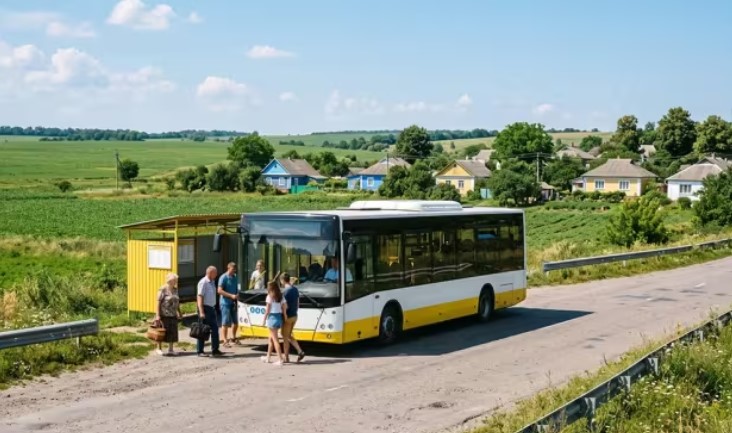
Suburban bus transportation may become more expensive if diesel prices continue to rise. At the same time, this does not refer to a nationwide decision, but rather a possible review of rates by individual carriers depending on their costs. This is reported by Znaj.ua citing comments from carriers in Khmelnytskyi region.
Suburban bus fares: when can tariffs change
Carriers in Khmelnytskyi have not yet submitted requests for increasing ticket prices, reported the deputy head of the relevant department of the OVA, Svitlana Nepokrytova. According to her, there have also been no complaints from passengers about the new prices.
However, private carrier Oleksandr Stolyar did not rule out a review of tariffs if diesel becomes more expensive. He explained that carriers must cover costs for fuel, salaries, taxes, and bus maintenance.
The material mentions a threshold of 10% increase in fuel prices. Importantly, this does not mean an automatic increase in fares across Ukraine: each carrier assesses their own route economy and makes decisions independently.
Tariff for suburban buses was already changed in 2026
In Khmelnytskyi, the last review of prices for intra-regional routes took place in May. The cost per passenger kilometer increased from 1.8-2 UAH to 2.5-3 UAH. At that time, carriers also explained this increase by the rise in diesel prices.
A similar situation is observed in other regions. For instance, in Lviv region, carriers warned in the spring about potential increases in travel costs due to fuel, spare parts, taxes, and shortage of drivers. The fuel component can account for up to 50-60% of the tariff structure. This was reported by Lviv OVA.
Who sets prices for suburban routes
Fares in urban transport are usually approved by the executive committee of the city council. In contrast, suburban and intercity routes operate on a different model: carriers can adjust prices depending on the cost of transportation.
Local authorities do not set a uniform tariff, but they can collect information about the situation and respond to citizens' appeals. For passengers, this means that ticket prices can vary even on similar routes by distance.
An additional burden for carriers and communities remains the subsidized transport. Its compensation largely falls on local budgets, as there is no separate state funding for this area.
We remind you that on July 20, tariffs for public transport in Khmelnytskyi were changed.

Read also