It Takes 16 Years of Full Salary Savings for a Prague Resident to Buy an Apartment

Prague Real Estate Market Study
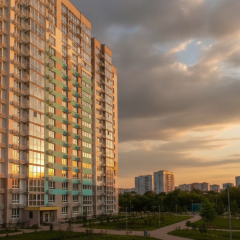
According to Radiotrek — Світ: A recent analysis of the real estate market has ranked Prague as the least affordable city in Europe for homeownership. A resident earning an average income in Prague must save their entire paycheck for 15.9 years to purchase a new 70-square-meter apartment. Over the past decade, the price of new apartments in the Czech capital has surged by 180%, while average wages have risen by only 80%. This stark disparity highlights a dramatic decline in housing affordability.
According to the study, housing affordability in Prague has worsened by the equivalent of 0.4 annual salaries over the last year alone. Compared to other European cities, Prague tops the list for the number of years required to save for a home. The ranking of cities by the years of work needed to buy a 70-square-meter apartment includes:
- Bratislava (Slovakia) - 13.9 years
- Munich (Germany) - 10.9 years
- Warsaw (Poland) - 9.2 years
- Berlin (Germany) - 8.4 years
- Vienna (Austria) - 8.1 years
Drivers of Rising Housing Costs and Their Impact
Key factors behind the soaring property prices in Prague include a shortage of new housing, strong demand in major urban centers, rising construction costs, increasing land prices, and active investor speculation. As a result, more and more young people are giving up on the dream of owning a home, since it would require saving for over 16 years without any spending. Despite these challenges, investors continue to see opportunities for capital deployment, particularly in Spain, the Netherlands, and Poland.
In summary, the situation on Prague's real estate market is alarming, as the rapid escalation of housing prices far outpaces income growth. This creates significant obstacles for city residents who aspire to own their own home.
The affordability crisis in Prague could have far-reaching consequences, potentially affecting demographic trends as young people may leave the city in search of cheaper housing in other regions or countries.
Furthermore, the growing inequality in access to housing may fuel social tensions and alter the population structure, which in turn could impact the city's overall economy.

Read also