Russian Skier-Turned-Soldier Killed in Ukraine, His Career Linked to Figure Skater at Putin's Address

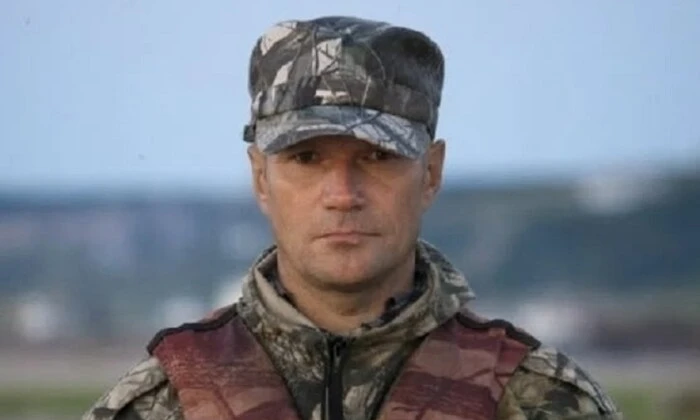
Russian Soldier Eliminated
According to Главком: Ukrainian defense forces have killed Russian serviceman Vladimir Barachevsky. Barachevsky, originally from the village of Shchelyayur in Russia's Komi Republic, was a competitive cross-country skier who had achieved the rank of Master of Sports and was a winner and medalist in numerous competitions. His death highlights the personal toll of the conflict, as individuals from various walks of life are drawn into the war.
Vladimir Barachevsky was killed on March 5, 2026. A farewell ceremony is scheduled for March 22, 2026. He is survived by two sons.
Athletes' Involvement in Political Events
In a related development, Russian figure skater Alexandra Sayutina, recognized as a neutral athlete by the International Skating Union (ISU), attended Vladimir Putin's annual address to the Federal Assembly on February 29, 2024. The event was also attended by Putin's allies and Russian military personnel involved in the war against Ukraine. This appearance by an athlete competing under a neutral flag raises questions about the separation of sports and state politics.
Russian skier Veronika Stepanova posted a photograph on Instagram confirming Alexandra Sayutina's presence at the event. Sayutina was also visible in the official video broadcast of the address.
These incidents illustrate the ongoing military conflict between Ukraine and Russia, which now involves not only military personnel but also members of the sporting community. The death of a serviceman with a previously successful athletic career underscores the personal tragedies arising from the war. Meanwhile, the participation of neutral athletes in overtly political events prompts scrutiny of their role within the context of the conflict and its potential impact on the international sporting world.
The tragic story of Vladimir Barachevsky is not an isolated incident, as the ongoing conflict continues to intertwine the lives of athletes and military personnel. This situation raises significant questions about the implications of athletes' roles in politically charged events and their impact on the perception of sports in times of war.

Read also