Gold Prices Decline as Strong U.S. Dollar and Labor Data Shift Fed Outlook

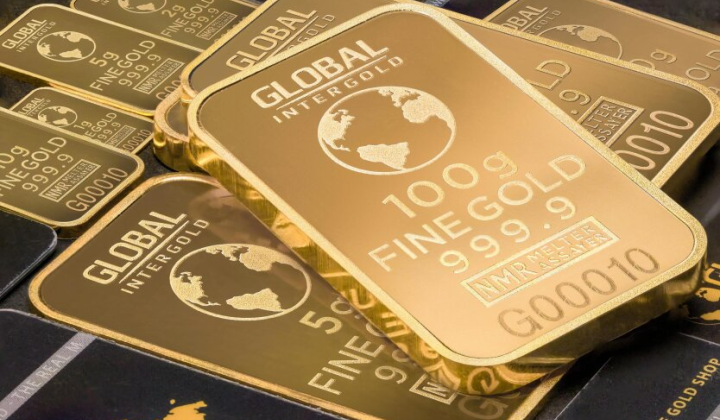
Gold and Precious Metals Market Update
According to ХВИЛЯ: Gold prices fell on Monday, April 6, 2026, pressured by a strengthening U.S. dollar and a robust U.S. jobs report. Spot gold dropped 0.4% to $4,658.90 per ounce as of 07:06 GMT. Meanwhile, U.S. gold futures for June delivery edged up 0.1% to $4,684.30. Investors are also awaiting remarks from U.S. President Donald Trump concerning the conflict with Iran, which adds a layer of geopolitical uncertainty to the market.
President Trump has threatened to unleash "hell" on Tehran if it does not reopen the Strait of Hormuz by Tuesday. Concurrently, U.S. labor market data showed non-farm payrolls in March grew at the fastest pace since December 2024, and the unemployment rate fell to 4.3%. These strong figures have reduced market expectations for interest rate cuts by the U.S. Federal Reserve (the Fed) in 2026. Traders have now almost completely priced out the likelihood of a Fed rate cut this year, a significant shift from earlier forecasts.
Movements Across the Precious Metals Sector
Other precious metals also saw price adjustments:
- Spot silver declined by 0.9% to $72.31 per ounce
- Spot platinum fell 0.3% to $1,983.62
- Palladium gained 0.7% to $1,511.94
According to Kelvin Wong, Senior Market Analyst at OANDA,
"Markets are waiting for the next so-called headline risk to emerge later – Trump is holding a press conference regarding the current situation between the U.S. and Iran."
The labor data has significantly influenced investor sentiment. Tim Waterer, Chief Market Analyst at KCM Trade, noted,
"The latest NFP data confirmed the hawkish stance of central banks, while persistent inflation fears linked to oil prices continue to erode gold's traditional appeal as a safe-haven asset."
The outlook for gold and other precious metals remains heavily influenced by economic indicators like employment data and political events, particularly the escalating U.S.-Iran conflict. A stronger U.S. dollar continues to exert downward pressure on gold prices, while investors remain cautious about potential shifts in Fed monetary policy. Given these combined factors, volatility in the precious metals market is likely to persist in the near term.
The recent fluctuations in gold prices can be understood in the context of broader market dynamics. As seen in the sharp decline in gold values earlier this month, shifts in investor sentiment often coincide with changing economic indicators and geopolitical tensions, further complicating the outlook for precious metals.

Read also