For a Freed Ukrainian POW, Family Support Outweighed Dozens of Psychologists

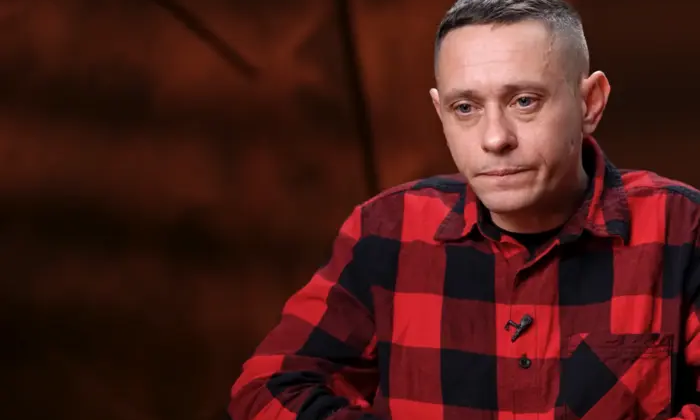
Yevhen Muk on His Recovery After Captivity
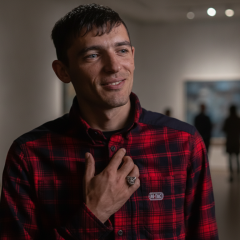
According to Главком: Ukrainian soldier Yevhen Muk, freed from Russian captivity, has shared his perspective on the rehabilitation process after returning home. He endured over two years as a prisoner of war, passing through filtration camps and Russian prisons. While dozens of psychologists attempted to work with him after his release, Muk states that in the initial recovery phase, communicating with his family was far more beneficial.
Muk noted that during sessions with psychologists, he often felt their attention was excessive.
“There are so many psychologists now, and they all, it seems to them, want to help. And at some point you think: Damn, maybe that's enough? Maybe it's not necessary?”
he comments. The soldier believes he probably did need a psychologist immediately, but in an informal setting where they could just talk over a cup of coffee, not in an official format.
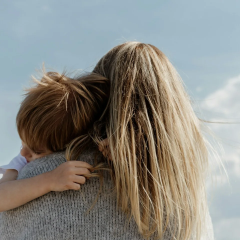
According to Muk, talking with his family and children gave him much more than some psychologists. He emphasizes that he does not deny the importance of psychological help, but considers an overabundance of it can be intrusive.
“Communicating with my family and children helped me much more than some psychologists. I'm not saying they are useless – no. But there are very many of them and they are very intrusive,”
he stresses.
A Reassessment of Life's Priorities Following Captivity
His return from captivity also became a period for Muk to reassess his life's values. He began to cherish time spent with his family more.
“I understood one thing: if you want to buy something and have the opportunity – you need to do it now. Because in one moment everything can disappear,”
he noted, underscoring the importance of seizing the moment in life.
He also recalls his experience during a second period of captivity, where he met another Ukrainian soldier, Yevhen Chudnetsov (call sign Chudik), who spoke about the differences between Russian military personnel and the fighters of the so-called DPR. This experience highlights the complex and multifaceted situation in which Ukrainian service members found themselves.
Yevhen Muk's experience illustrates not only the individual challenges faced by Ukrainian soldiers returning from captivity but also the broader issues in rehabilitating combat veterans. His comments on the importance of family communication could serve as a cue for professionals in psychological support, emphasizing the need for a more individualized approach. The struggle to reintegrate former POWs is a significant part of Ukraine's ongoing recovery from the war's trauma.

Read also