The Global Fallout from Ukraine's Nuclear Disarmament and the New Arms Race

The Global Fallout from Ukraine's Nuclear Disarmament and the New Arms Race
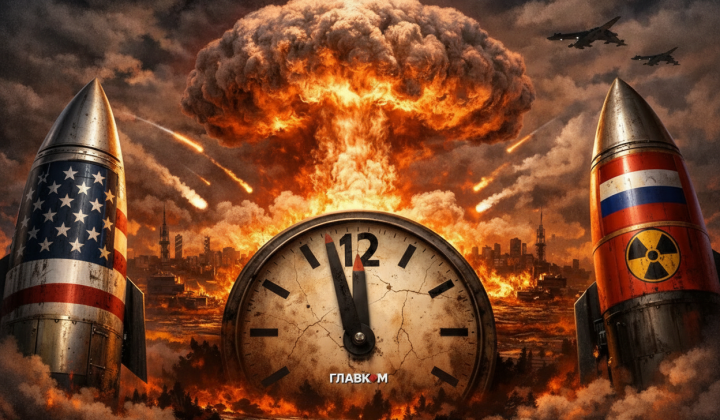
According to Главком: This analysis examines the history of nuclear disarmament and current threats, focusing on the consequences of Ukraine's decision to relinquish its nuclear arsenal. A key date is February 5, 2026, when the last remaining nuclear arms control treaty between the U.S. and Russia is set to expire. Since the Treaty on the Non-Proliferation of Nuclear Weapons (NPT) was signed on June 12, 1968, and indefinitely extended in May 1995, the global nuclear security landscape has shifted dramatically.
The NPT recognizes the United States, the Soviet Union (succeeded by Russia), France, the United Kingdom, and China as nuclear-weapon states.
The world situation grew more complex following the dissolution of the Soviet Union in 1991. Ukraine, which at the time possessed the world's third-largest nuclear arsenal, chose to give up these weapons. This decision was part of a global disarmament strategy, but its consequences have proven to be deeply ambiguous.
In his book 'The History of Ukraine's Nuclear Disarmament,' Yuriy Kostenko notes that the United States, Russia, and Ukraine each assess the benefits and losses from this process very differently.
The United States, for instance, achieved its post-Soviet objectives: disarming Ukraine and paving the way for nuclear primacy. Russia, meanwhile, sought to keep Ukraine within its geopolitical sphere of influence.
Russia's annexation of Crimea and its military aggression against Ukraine, beginning in 2014, highlighted the vulnerability of a Ukraine that had surrendered its nuclear deterrent. The start of the full-scale war on February 24, 2022, intensified the crisis. Intelligence and analytical centers now confirm the onset of a new nuclear arms race, with China taking the lead.
According to SIPRI data, China possessed 300 nuclear warheads in 2022, plans to increase that number to 600 by 2025, and aims to reach 1,000 by 2030.
New Challenges in Nuclear Armament
Today, more than 40 countries worldwide have begun revising their national security concepts to include nuclear deterrence systems. A potential new strategic arms limitation treaty between the U.S. and Russia, even if signed, would be unable to stop the global proliferation of nuclear weapons.
Kostenko argues that all parties suffered losses as a result of the nuclear disarmament process:
- The United States can no longer single-handedly ensure global stability;
- Russia lost influence due to the absence of a powerful democratic counterweight from Ukraine;
- Ukraine itself suffered the greatest losses, measured not only in billions of dollars but in its national security and independence.
Consequently, the world faces new challenges in nuclear armament. For an effective deterrence strategy to be realized, Ukraine requires Western support to achieve victory on the battlefield. It must also reform its system of governance to preserve its military strength and be guided by national interests. This situation underscores the critical importance of international cooperation on nuclear security and the need for adequate responses to emerging global threats. In an era of escalating nuclear dangers, Ukraine, like many nations, must reassess its security strategies and actively engage with international partners to safeguard its sovereignty and regional stability.

Read also