Smoke or Burning Smell from Your Vacuum? Here’s What to Do Immediately

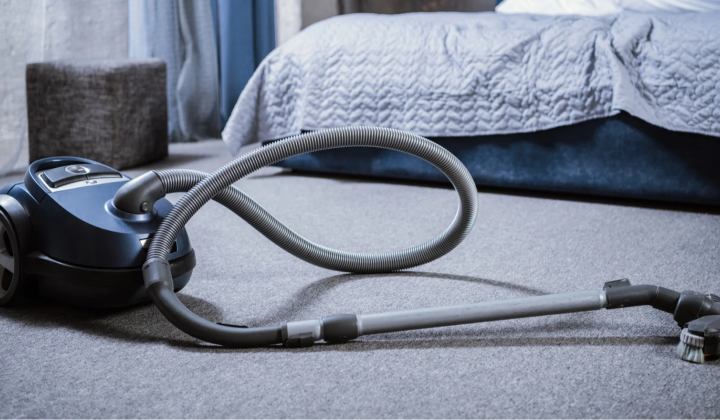
What to Do If Your Vacuum Starts Smoking or Smells Burnt
According to НВ — Техно: Published: June 6, 23:27. If you notice smoke or a burning odor coming from your vacuum cleaner, act quickly and carefully. This smell is a clear warning that your household appliance is no longer operating normally and may be facing serious damage. Every second it continues running increases the risk-from simple overheating to an electrical short circuit or even a fire. So remember the golden rule: unplug it first.
Don't wait for the cleaning cycle to finish or try to "finish" the carpet. Hit the stop button right away, then pull the plug from the outlet. If you have a cordless model, remove the battery as well. After that, let the appliance cool down for at least an hour. Never attempt to take apart a hot device-it's dangerous. If you see thick smoke or smell something that suggests open flames, move the vacuum to a safe location, like a balcony or outdoors, and keep a fire extinguisher nearby.
Common Causes of Burning Smells and How to Prevent Them
The most frequent cause of a burning smell is severe motor overheating, often triggered by:
- clogged filters;
- an overfilled dust bag or container.
Modern vacuums rely on airflow to cool the motor. When filters are blocked, air can't reach the engine, leading to overheating. The motor runs at its limit, the varnish on the windings melts, and that telltale burnt smell appears. Another common culprit is a burned drive belt, which can happen when too much hair or thread gets wrapped around the roller, causing it to jam.
It's worth noting that if your vacuum is brand new, the first 2–3 cleaning sessions may produce a smell of technical oils or plastic as new materials heat up. However, if the odor persists after four or five uses, it's a sign you need to inspect the appliance. The key to a healthy vacuum is not pushing it to its limits. Empty the container when it's about two-thirds full, and clean or replace filters more often than the manufacturer recommends-especially if you have pets or are doing home renovations.
Remember: a vacuum cleaner is a device where electricity comes into close contact with dust, creating a fire risk if not properly maintained.
If simple cleaning doesn't solve the problem, don't try to "fix" the appliance yourself-it could lead to serious consequences. A trip to a service center is cheaper than buying a new vacuum or repairing your home after an electrical short.
Following safety rules when using household appliances, especially vacuums, is crucial. Misuse or neglect can lead to severe outcomes, including fires that threaten not just property but lives. That's why consumers should stay vigilant and service their devices on time.

Read also