How to Properly Choose Protection for Roller Skates

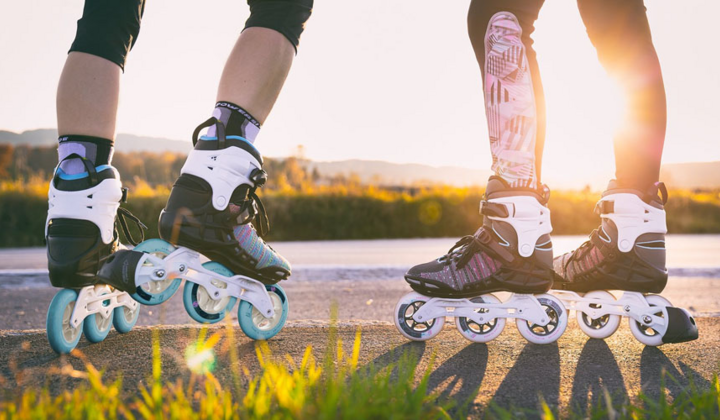
Professional rollers often suffer injuries due to the high intensity of training and performing complex tricks. The most common injuries are wrist injuries, knee injuries, and elbow injuries. This is because hands and feet often take the brunt of the fall when a maneuver fails, but landing on the buttocks or back can injure the spine or tailbone. Ankle sprains are almost a "common thing" for rollers.
Experienced roller skate owners know well that it's not possible to skimp on protective gear and it must be chosen very carefully, especially when it comes to skates for a child or teenager. In young age, when the desire for excitement and adventure is strong, it is difficult to be cautious and value one's health. In this article, we will consider the main types of protection for roller skates, the criteria for choosing these elements, and general advice that will help make skating safe and comfortable.
Helmet - the main element of protection
First of all, you should take care of head protection in case of an unsuccessful fall. The helmet has always been considered the most important part of protective equipment for roller skates. Therefore, choose it very carefully, paying attention to the following aspects:
- size (the helmet should fit snugly to the head and not squeeze, so choose models with adjustable sizes);
- certification (make sure the helmet meets safety standards CE or ASTM);
- ventilation (for comfortable skating in warm weather, the helmet should have ventilation holes).
Before purchasing, be sure to try on different models or use size charts from manufacturers.
Protection for knees, elbows, and wrists
These body parts are most often injured by rollers. Therefore, when choosing protection, pay attention to the following aspects:
- comfort (the protection should be comfortable, not limit movement, and not rub the skin);
- materials (choose protective sets made of durable materials, such as plastic or carbon, with a soft inner lining);
- size (the protection should fit snugly to the body but not be too tight).
Good elbow and knee pads have an anatomical shape that fits well to the body and does not restrict movement. It is also important that the models have adjustable straps. This allows you to customize the protection for any size, ensuring maximum fixation. This is convenient not only for growing children but also for adults, as in summer the protection needs to be worn over thin sports pants, and in autumn - over warm clothing. Such options are offered by the well-known knee protection brand Rollerblade.
Special protective shorts
For additional protection of the thighs, tailbone, and lower back, special protective shorts have been developed. They are especially useful for those who love to skate aggressively or perform tricks. Choose shorts with cushioning inserts for better protection during falls and don't forget that they should fit snugly on the body but still allow for movement. Therefore, it is not advisable to buy protective shorts online without trying them on (as with regular clothes). It's best to do this in a store, to compare several models, walk, squat, and try simple movements.
How often to replace protection?
Protection for roller skates, like any sports equipment, wears out over time. It is important to regularly check the condition of your equipment. If the helmet or protective pads have cracks, damage, or are heavily worn, they should be replaced. This is especially true for the helmet, which loses its protective properties after a strong impact. So take care of your safety and health.