Geopolitical Analyst Explores a World Without Lenin and the Iranian Revolution

Alternative Paths for Russia and Iran
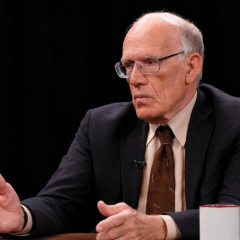
According to ХВИЛЯ: In an interview for the Personal Landscapes podcast, geopolitical analyst Robert Kaplan outlined alternative historical scenarios for Russia and Iran, linking them to the pivotal years of 1917 and 1978-79. He examined how different outcomes in those nations could have dramatically altered their subsequent trajectories. Kaplan's analysis provides a compelling look at how single events can redirect the fate of major powers.
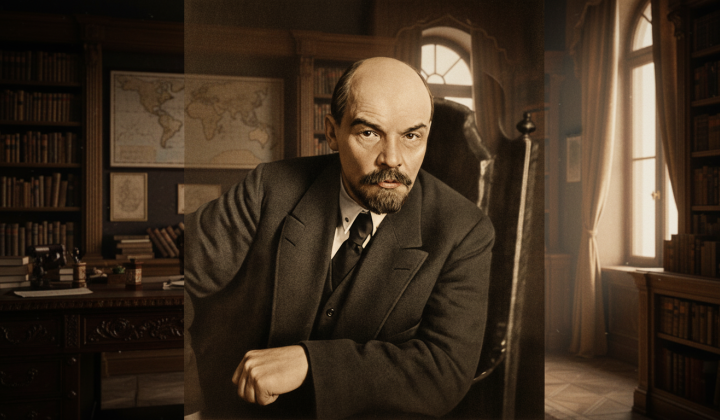
Kaplan noted that the Bolshevik coup of 1917 established a communist regime that endured in the Soviet Union for 70 years. He proposed a counterfactual: had Lenin and Trotsky failed to overthrow Tsar Nicholas II and the Romanovs retained the throne, they would likely have evolved into constitutional monarchs over time.
Consequences for the Modern World
Regarding Iran, Kaplan examined the 1978-79 revolution that toppled the Shah. He suggested that had the Shah maintained power, he would have pursued a path of liberalization, becoming a constitutional monarch. In such a scenario, Kaplan argued, Iran today might resemble a nation like South Korea in its political and economic development.
These alternative scenarios underscore how pivotal historical moments shape a nation's political landscape, with vastly different consequences emerging from each potential path. The enduring influence of these revolutions continues to define global politics and regional alliances to this day.
Kaplan's analysis prompts reflection on how specific historical decisions and events can permanently alter a state's course. Both Russia and Iran possess complex political histories that continue to impact their contemporary conditions. Considering these 'what if' scenarios helps illuminate potential developmental paths and understand how today's geopolitical realities might have looked under a different historical context.

Read also