CSIS Report Traces U.S. Microchips Powering Russian Military Drones

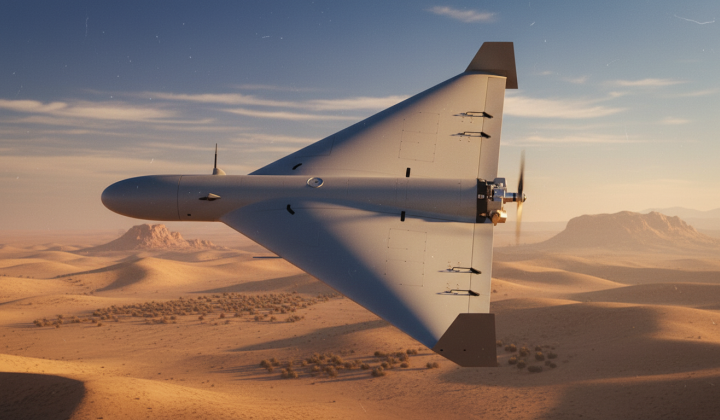
American Technology Found in Russian Drones
According to ХВИЛЯ: A recent report from the Center for Strategic and International Studies (CSIS) reveals that over half of the artificial intelligence microchips recovered from downed Russian drones are of U.S. origin. This analysis highlights a significant challenge for Western export controls, as critical components continue to reach adversaries through complex global supply chains. The study, conducted by analyst Kateryna Bondar using a database of captured components from Ukraine's Main Intelligence Directorate, confirms that the United States is the leading supplier of key electronic parts for Russian drones.
The research examined 705 key components essential for AI operation, specifically:
- 465 processors,
- 122 memory modules,
- 118 sensors.
Results showed that U.S. manufacturers accounted for 69% of the identified memory, nearly 57% of the processors, and about 38% of the sensors. Consequently, the U.S. was the top supplier in all three categories-processors, memory, and sensors.
Meanwhile, China's share among suppliers is less than 9% of the total components and the country did not rank among the top three suppliers of processors. Switzerland, on the other hand, supplies over one-fifth of the computing modules, while the Netherlands provides about 8% of processors and up to 14% of sensors. Japan holds a share exceeding 15% in sensor supply.
Identified Electronic Components
Among the discovered electronic components are Nvidia Jetson Orin Developer Kit modules, used in the Iranian Shahed-136 drone and the V2U autonomous drone. An older Nvidia Jetson TX2 module was also found in the Lancet drone. As Kateryna Bondar noted,
“the technological foundation of Russian combat autonomy remains deeply embedded within globally integrated semiconductor markets.”
This report underscores the critical importance of controlling the supply of sensitive technologies, demonstrating that even amid strategic rivalries, American components can play a key role in an adversary's military systems. Such findings are likely to influence U.S. technology export policies, particularly within the context of global semiconductor competition and national security concerns.
As the reliance on advanced technology grows, understanding the operational strategies behind these systems becomes crucial. To delve deeper into how Russia is effectively utilizing autonomous drones in the ongoing conflict, you can explore our detailed report on their deployment in Ukraine. This analysis sheds light on the evolving tactics and implications for regional security, providing essential context for the current situation. Learn more about Russia's drone strategies.

Read also