Ukraine’s Antimonopoly Committee to Probe Gas Station Pricing—Expert Predicts Failure

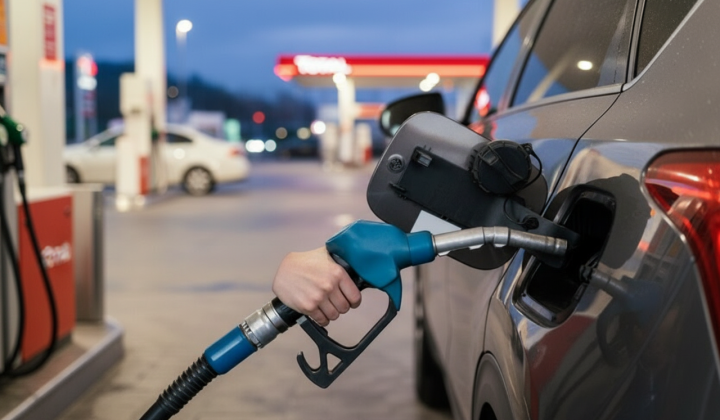
Fuel Pricing Scrutiny: Ukraine’s Gas Station Investigation
According to ХВИЛЯ: Ukraine’s Antimonopoly Committee has announced it will inspect major gas station chains over fuel and lubricant pricing practices. Energy expert Oleh Popenko has cast doubt on the effectiveness of these checks, stating that
“no major fuel supply network will face any punishment.”
He argues that the primary driver of high fuel prices is a long-standing collusion among market players.
Key Factors Shaping Fuel Costs
Several elements play a role in determining fuel prices, including:
- global crude oil prices,
- logistics and delivery costs to and within Ukraine,
- salaries at central offices and gas stations,
- taxes.
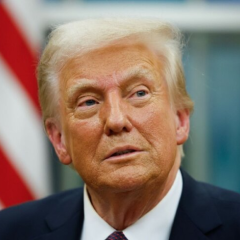
Notably, oil prices have dropped from $150 per barrel a month ago to around $80 in recent days. This decline follows a statement by Donald Trump, who remarked:
“Gas will go up a little, no big deal. I actually thought oil would be at $200. Better oil at $200 than Iran having nuclear weapons.”
For context, many European governments-such as those in Spain, Germany, and Poland-respond to price spikes by cutting VAT or other taxes. However, average salaries in those countries are two to four times higher than in Ukraine, which affects consumer purchasing power. Fuel and lubricants stored in Ukrainian depots can remain there for up to a month, creating specific conditions for price formation.
Given these factors, the analysis of Ukraine’s fuel pricing situation remains highly relevant. As expert Oleh Popenko suggests, the Antimonopoly Committee’s inspections may not yield the desired results.
The challenge of fuel and lubricant prices in Ukraine is complex, tied not only to domestic market mechanisms but also to global economic trends. While falling global oil prices could lower fuel costs, without adequate state regulation and oversight of market participants, consumers may not see any relief in their daily expenses. Thus, the Antimonopoly Committee’s inspections and their outcomes could significantly shape future fuel prices.
As the Antimonopoly Committee launches its investigation, understanding the broader context of fuel pricing in Ukraine becomes essential. Recent statements from the committee indicate that they found no evidence of collusion among fuel suppliers, which raises questions about the underlying reasons for rising prices. For a deeper look into the factors influencing fuel costs and the committee's findings, read more about the recent analysis of Ukraine's fuel market.

Read also