Japan's First Rate Hike in Three Decades: Could It Trigger a Wave of Bankruptcies?

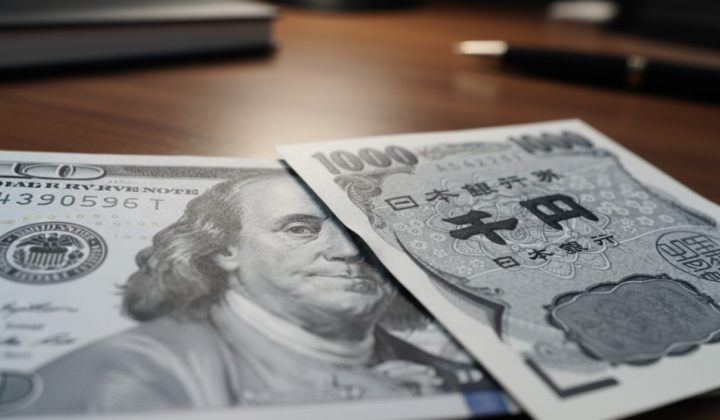
The Risks Behind Japan's Interest Rate Increase
According to ХВИЛЯ: Analyst Denys Dolinsky has warned that Japan's recent interest rate hike-its first in 30 years and exceeding 1%-could spark a global wave of bankruptcies by making borrowing more expensive. This move, which raises the cost of capital, is expected to disproportionately affect small and medium-sized enterprises (SMEs) and may send shockwaves through the international financial system. Another rate increase is scheduled for the summer of this year.
'Japan has essentially been a supplier of cheap money to the entire world. People borrow there and then deposit those funds in other countries at higher interest rates.' Denys Dolinsky
Dolinsky pointed out that Japan's economy has operated under zero or negative interest rates for decades. However, if Japanese money becomes more expensive, it could drive up the cost of funds globally. 'When Japanese money gets costly, it becomes more expensive everywhere. That will trigger a wave of bankruptcies among many companies,' he emphasized.
Impact on Small and Medium-Sized Businesses
The rate hike is expected to hit SMEs the hardest, as they typically operate on thin margins. 'Who bears the brunt of these financial rate increases? Primarily small businesses,' the expert noted. He also highlighted the broader trend, warning that multiple industries are approaching their stress thresholds.
Dolinsky also raised concerns about potential geopolitical risks: 'If, by the end of the year, events lead to China taking Taiwan, we can only imagine the scale of the storm that would follow.'
The analyst expressed alarm over the state of international politics, stating that 'the system of international law is failing to deter aggressors,' and that the UN has become 'a platform for empty debates.' According to him, a new world order based on the rule of the strong is emerging. In this context, a shift in Japan's monetary policy risks setting off a domino effect in the global financial system, with far-reaching consequences for the broader economy.
This rate increase in Japan could become a pivotal factor for the global economy, as many nations rely on Japanese investments and loans. If higher borrowing costs lead to bankruptcies-especially among SMEs-it could trigger a chain reaction in international markets, ultimately dampening economic growth.
As the global economy grapples with rising interest rates, it's essential to understand the ripple effects of such financial shifts. For instance, recent data indicates a slowdown in the US economy as both businesses and consumers reduce spending. This trend could further complicate the challenges faced by SMEs, particularly as they navigate the implications of Japan's rate hike. To delve deeper into how these economic factors intertwine, explore the latest insights on the current state of the US economy.

Read also