Japan and the U.S. Test Missiles in the Philippines as a Check on China

Mobile Missile Systems Put to the Test in the Philippines
According to ХВИЛЯ: Two mobile missile systems-Japan’s Type-88 and the American Typhon (Tomahawk)-were recently tested in the Philippines. These drills are designed to reinforce the first island chain, a strategic barrier aimed at containing China. Japan launched a Type-88 anti-ship missile, while the U.S. fired a cruise missile from a Typhon launcher, commonly known as a Tomahawk. This marks a significant milestone: it is Japan’s first test of offensive weaponry outside its home islands since World War II.
Both systems are truck-mounted, making them highly mobile and quick to respond. The Tomahawk fired from the Typhon platform has a range of nearly 1,500 miles, whereas the Type-88 can strike targets at about 100 miles. The first island chain includes:
- Japan
- the Philippines
- Taiwan
- Malaysia
- Indonesia
and holds strategic importance for regional security.
During the Cold War, the U.S. did not fortify this chain, but that has now changed. Japan, which maintained a neutral stance after WWII, has decided to ramp up its military capabilities. According to expert Peter Zeihan,
“These two systems alone are enough to essentially obliterate China’s entire military position.”
He further notes,
“No matter how you look at it, China is doomed.”
The Philippines-one of the region’s most unpredictable countries with the weakest military-is now emerging as a key link in strengthening Asia-Pacific security. Singapore and Malaysia control the straits through which China receives oil and accesses global markets. Australia, meanwhile, possesses weapons that can reach the entire zone, underscoring the importance of international cooperation in maintaining regional stability.
A Shift in the Military-Political Balance
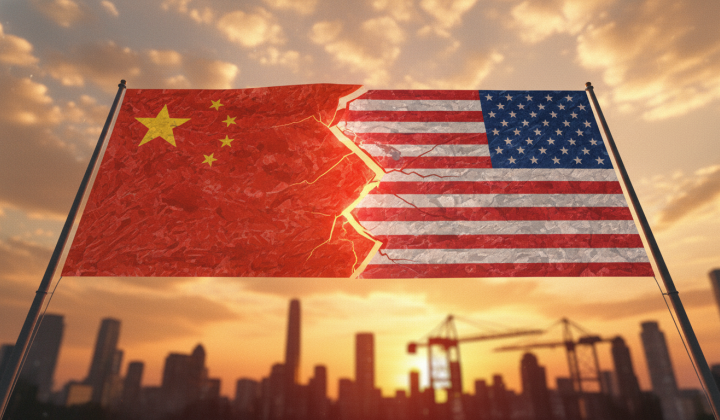
These missile tests reflect a changing military-political balance in the region, as Japan and the U.S. push back against China’s growing military power. Given Japan’s evolving strategic policy and its deepening military cooperation with the U.S., further enhancements to allied defenses in the region are likely. This could also affect relations with other nations, including China, potentially sparking new tensions in the area.
The recent missile tests by Japan and the U.S. underscore a significant shift in regional military dynamics, particularly as tensions rise globally. In light of this, it's worth noting that the ongoing conflict in Iran has led to delays in the delivery of Tomahawk missiles to Japan, which could further influence the strategic balance in the Asia-Pacific region.

Read also