In Mérida, Archaeologists Uncover Wall Paintings Enhancing the Roman Domus’s Medusa Mosaic

Archaeological Discoveries in Mérida
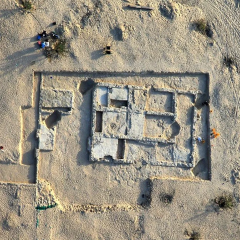
According to НВ — Техно: In Mérida, Spain, a team of archaeologists has uncovered remarkably preserved wall paintings within a large Roman domus, complementing the previously discovered Medusa mosaic. These excavations are taking place at the Huerta de Otero site, which is part of a Roman residence in Augusta Emerita-an ancient city founded by Emperor Augustus in 25 BCE.
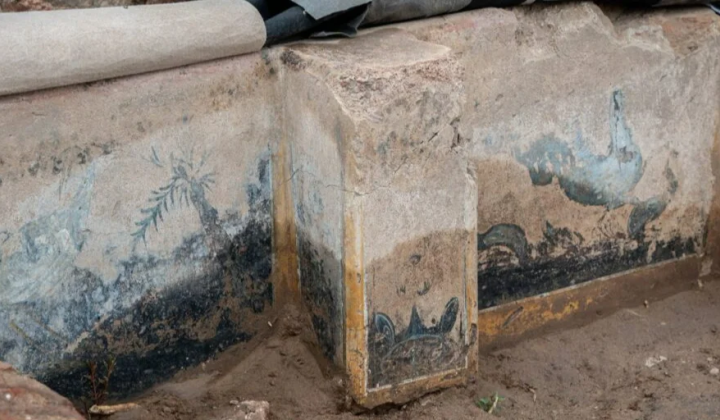
The newly found frescoes depict a variety of images, including:
- peacocks
- cranes
- hunting scenes
- figures from classical mythology
These decorations adorned the colonnaded courtyard of the expansive Roman house, which covers over 5,000 square meters. Archaeologists have revealed painted walls on both the inner and outer sides of the courtyard. The decorative panels feature not only peacocks but also other birds, satyrs, and a feline predator chasing two deer. So far, around 15% of the entire residence has been excavated.
This project is part of the Barraeca V training program in collaboration with Mérida’s municipal government. Notably, earlier archaeological efforts left part of the site untouched since 1976. Mérida served as the capital of the Roman province of Lusitania and is renowned for its well-preserved ancient landmarks, including a Roman theater, amphitheater, bridge, and aqueducts-making it a key location for studying Roman history in Spain.
Roman Military Camp Found Near La Peña del Castro
In addition to the discoveries in Mérida, archaeologists from the University of León have identified a Roman military camp near La Peña del Castro in León province. Covering roughly 1.7 hectares, this camp is linked to the Iron Age settlement’s siege during the Cantabrian Wars. Located about 500 meters from the hillfort, excavations revealed defensive structures, Roman military equipment, and signs of temporary occupation. These investigations were carried out in spring and summer 2026.
“The decorative panels depicting cranes, peacocks, and other birds are of great significance,” commented archaeologist José Vargas on the findings.
These archaeological findings highlight the rich Roman heritage in Spain, especially in regions where Augusta Emerita functioned as a colony for veterans of Roman military campaigns. Such discoveries provide valuable insights into the cultural and architectural legacy of the Roman era, deepening our understanding of ancient lifestyles and artistic traditions.
Ongoing excavations promise to reveal further details about Roman daily life and their lasting influence on Spanish culture, emphasizing the importance of preserving and studying these historic sites.
These recent findings in Mérida highlight the rich archaeological landscape of Spain, where significant discoveries continue to unfold. For instance, a recent excavation on Ons Island has revealed an Iron Age wall beneath a Roman settlement, offering insights into the region's historical progression. Such discoveries not only enhance our understanding of ancient civilizations but also emphasize the importance of ongoing archaeological efforts. To learn more about this fascinating uncovering, check out the details in our article on the Iron Age wall beneath a Roman settlement.

Read also