1600-Year-Old Tomb Uncovered in Gyeongju Reveals Iron Helmets, Armor, and Evidence of Human Sacrifice

Archaeological Breakthrough in Gyeongju
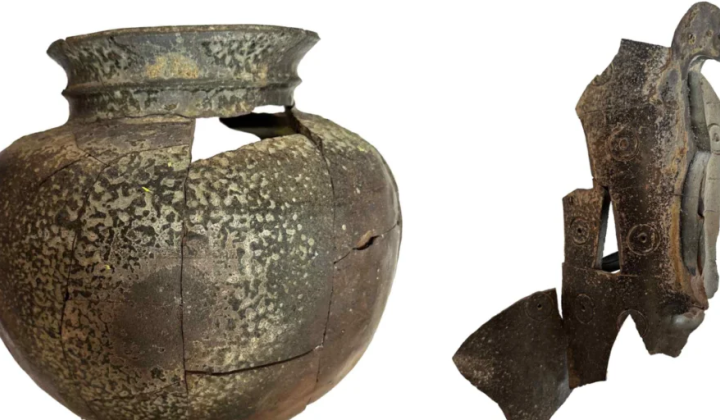
According to НВ — Техно: In Gyeongju, South Korea, archaeologists have uncovered a tomb dating back 1600 years, containing iron helmets, multiple types of battle armor, and signs of human sacrifice. This burial site originates from the early period of the Silla Kingdom, which was established in 57 BCE and came to dominate much of the Korean Peninsula by the 7th century. Known as Tomb No. 2 and dating to the 4th century, the site features two wooden burial chambers of different sizes.
The tomb’s internal layout includes a main chamber measuring 6.8 meters long by 3.8 meters wide, alongside a smaller secondary chamber measuring 5 meters by 3.3 meters. The floor of the main chamber is layered with gravel and divided into separate sections using stones. Notably, there is a clear distinction in how burial goods are arranged between the eastern and western parts of the chambers.
Artifacts Discovered Inside the Tomb
The excavation revealed the following items:
- Two iron helmets,
- Three sets of torso armor,
- Two neck guards,
- Two waist guards.
Two armor styles were identified: plate armor and scale armor. Plate armor consisted of large iron plates joined together, while scale armor was made from numerous small iron plates connected by leather cords. Most of the military gear was located in the western section of the secondary chamber, where researchers also found an iron strip artifact believed to be part of a horse saddle frame-the earliest fully preserved example of its kind.
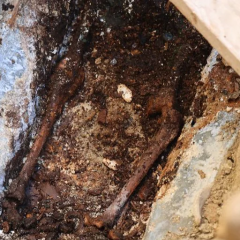
At the center of the main chamber, archaeologists discovered the teeth and lower jawbone of a teenager, indicating the practice of sunjang, a ritual involving the burial of vassals alongside a noble. The secondary chamber included an area devoid of burial items, likely reserved for an additional attendant accompanying the deceased.
Separately, a small bronze cannon found on Mount Gimsong in South Korea has been identified as the nation’s oldest known gunpowder weapon. The Hwanjaha Hwatong cannon, dated to either 1377 or 1437, was unveiled by the National Research Institute of Cultural Heritage in Naju on September 21, 2026, following three years of study.
These discoveries in Gyeongju highlight the crucial role of archaeology in deepening our understanding of the Silla Kingdom’s history and customs. This tomb not only provides valuable insights into the military equipment and funeral rites of the Silla era but also sheds light on the social hierarchy and rituals surrounding death and commemoration. The artifacts offer scholars a richer perspective on the relationships between the elite and common people during this period, as well as the cultural significance of sacrificial practices. Overall, these findings underscore the enduring legacy of Korean archaeology and its importance to contemporary society.
This recent discovery in Gyeongju adds to the growing body of evidence regarding burial practices in ancient cultures. For instance, a significant find in Mongolia, where archaeologists unearthed the largest Hunnic tomb, revealed a staggering number of artifacts that shed light on the customs of the Huns. To explore this fascinating excavation and see how it compares to the findings in Gyeongju, visit the details of Mongolia's largest Hunnic tomb discovery.

Read also