Intact 600-Year-Old Elite Burial Platform of the Chimu Culture Unearthed by Peruvian Archaeologists


Significant Archaeological Find in Peru
According to НВ — Техно: Within the walled complex of Utzh-An-formerly known as the Gran Chimu Palace-archaeologists have uncovered a burial platform dating back approximately 600 years, associated with the elite class of the Chimu culture. This well-preserved site features remains of 38 individuals, an array of artifacts, and an unusual burial of a person laid completely flat. The exceptional preservation of these findings, untouched for over six centuries, offers a rare window into the funerary customs and social hierarchy of the Chimu civilization.
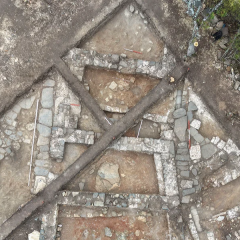
The excavation, led by Peru's Ministry of Culture, revealed a central stone chamber about 1.2 meters wide and 5 meters deep, accessed via stairs descending 2.5 meters into the structure. Flanking this chamber are two side rooms, each measuring roughly 1.5 meters wide, 8 meters long, and extending 3.5 meters beneath the platform's surface. The central chamber contained the remains of a single individual accompanied by shell and metal objects.
- One side chamber held no human remains but contained weapons and metal insignia.
- The other side chamber contained the remains of 20 individuals.
Altogether, the platform holds the remains of 38 people. Notably, one skeleton was positioned entirely horizontally, a burial style that contrasts with typical Chimu customs. Several skulls showed traces of red pigment, a sacred color also found on various ceramic pieces, traditionally reserved for high-ranking burials in Andean societies.
Jorge Meneses, the archaeologist overseeing the Utzh-An project, emphasized that 'prior knowledge of elite Chimu tombs came from platforms extensively looted and damaged since colonial times, leaving incomplete and disturbed contexts.'
This discovery therefore provides invaluable insights into the culture and history of the region’s ancient elite.
Additional Findings in Lima
Separately, excavations at Huaca Pucllana in Lima have revealed human remains estimated to be around 1,400 years old, likely belonging to an adult male. These remains are believed to have been part of a sacrificial ritual linked to the closure of an underground canal, dating to approximately 650 AD and associated with the Lima culture.
These recent archaeological discoveries in Peru deepen our understanding of ancient Andean civilizations such as the Chimu and Lima cultures. In particular, the Utzh-An burial platform sheds light on the social structures and mortuary practices of the Chimu elite, filling critical gaps left by earlier disturbed sites. The find promises to advance research into the distinctive traditions and customs of Peru’s pre-Columbian societies.
This remarkable find adds to the growing body of knowledge about ancient Peruvian burial practices. In a similar vein, archaeologists recently unveiled a 1400-year-old ritual burial in Peru's capital, which highlights the rich cultural tapestry of the region. These discoveries collectively enhance our understanding of the social structures and rituals that defined these ancient civilizations.

Read also