Uzbek Archaeologists Uncover Bronze Age Petroglyphs and a 2,000-Year-Old Hellenistic Military Camp

Major Archaeological Discoveries in Uzbekistan's Jizzakh Region
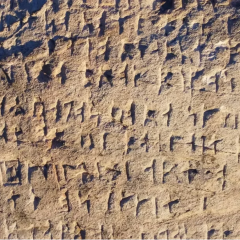
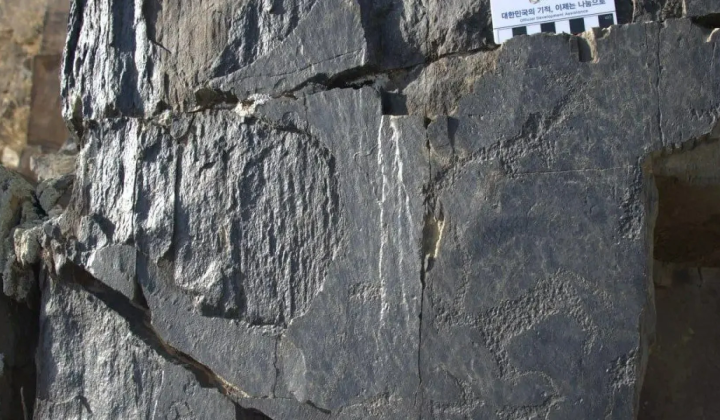
According to НВ — Техно: In September 2026, archaeologists working in Uzbekistan’s Jizzakh region made remarkable discoveries, uncovering petroglyphs dating back to the Bronze Age as well as Paleolithic and Neolithic sites. These excavations took place in the Zaamin and Sharaf Rashidov districts as part of fieldwork led by the Uzbekistan Agency for Cultural Heritage and the Ya. Gulyamov Samarkand Archaeological Institute. The team documented rock art featuring hunters, animals, and a solar symbol, which may reflect the spiritual beliefs of the ancient artists.
Key Findings from the Excavations
In Zaamin district, a Paleolithic campsite was identified on the eastern side of the village of Achchi, alongside a Neolithic site near the village of Peshagor. Meanwhile, near Ravots village in Sharaf Rashidov district, researchers uncovered a slate outcrop adorned with nearly 30 petroglyphs spread across seven rocks. The images depict:
- a hunter
- a mountain goat
- large horned cattle
- a dog
- a hunter shooting a bow
These rock carvings span a timeline from the Bronze Age through to the early medieval period.
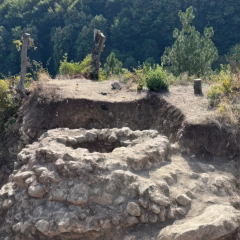
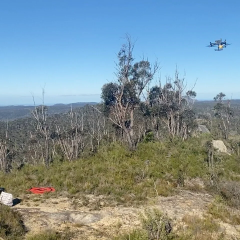
Additionally, in southern Uzbekistan, archaeologists discovered remnants of a Hellenistic military camp estimated to be over 2,000 years old. Led by Ladislav Stanko from Charles University, the excavation site is located near the Loylagan valley on the hill of Iskandar-Tepe. Using magnetometry and ground-penetrating radar, the team identified a defensive ditch approximately 400 meters long, enclosing an area of about 1.2 hectares.
These findings highlight the rich cultural heritage and historical significance of the region. Ongoing research aims to deepen our understanding of the lifestyles and environments of the ancient peoples who inhabited this area.
“The discoveries in the Jizzakh region emphasize Uzbekistan’s role as a crossroads of ancient civilizations, where diverse cultural and historical phases intersect,”
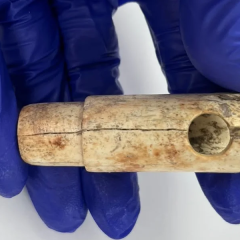
The artifacts, which span from the Paleolithic era to the Hellenistic period, offer valuable insights into the development of human societies and their relationships with their surroundings. Beyond uncovering new relics, these studies are crucial for preserving Uzbekistan’s cultural legacy for future generations.
These recent archaeological finds in Uzbekistan not only shed light on ancient artistic expressions but also contribute to a broader understanding of the region's history. In a related discovery, researchers have uncovered Bronze Age human remains and artifacts, offering insights into the lives and customs of people from that era. Such findings emphasize the significance of ongoing excavations in revealing the rich tapestry of Uzbekistan's past.

Read also