Unique Infant Burials Discovered in a 2,500-Year-Old Iron Age Settlement in South Tyrol

Uncovering an Early Iron Age Village
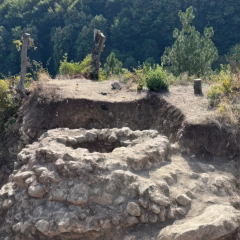
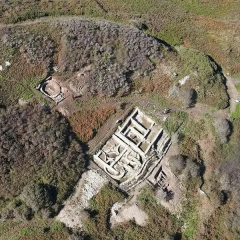
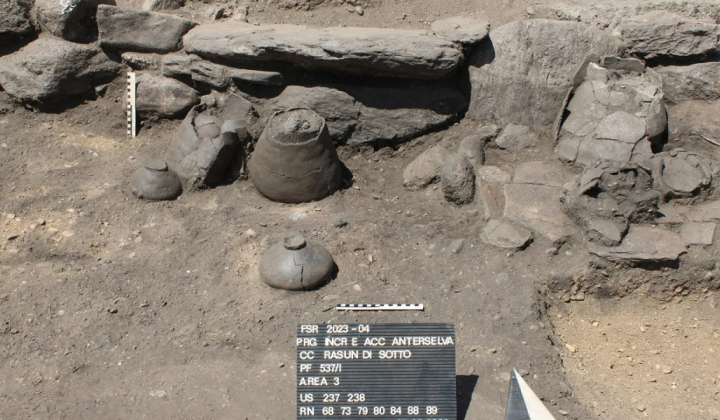
According to НВ — Техно: In northern Italy's South Tyrol region, archaeologists have uncovered a settlement dating back roughly 2,500 years, from 800 to 500 BCE. Located at the Galgenbichl site near Niederrasen, this early Iron Age village contains over 30 houses. Excavations began in February 2026 as part of preliminary work for a new road connecting Antholz and Olang.
The team has recovered a diverse array of artifacts, including:
- ceramics
- tools
- animal bones
- evidence of metalworking
- weaving and spinning equipment
- grain grinding stones
A particularly remarkable find is the burial site for infants, which contrasts with the adult cremation practices observed at a nearby cemetery in Windischauer. Analysis suggests that infant mortality in this community ranged between 20 and 35%, with many children not surviving past their first year.
Connections and Cultural Insights
The settlement shows clear links to the Venetian area of present-day northeastern Italy, indicating active trade and cultural exchange during the Iron Age. In a related discovery, 2026 excavations in Sirolo, Ancona province, in the Le Marche region, revealed a princely burial of the Picene people dating to the 6th century BCE. This grave contained remnants of a two-wheeled chariot (currus), a helmet, an axe, and other weaponry.
“It is even more astounding when an entire chapter of our past suddenly comes into view.”
- Philip Ahammer, archaeologist
This excavation represents the first comprehensive study of an Iron Age settlement of this scale in South Tyrol, opening valuable new avenues for understanding the region's ancient history.
The discovery sheds important light on the social organization and cultural customs of early Iron Age inhabitants of what is now Italy. The artifacts and infant mortality data provide fresh perspectives on living conditions, health challenges, and societal practices of the time. Moreover, these findings emphasize South Tyrol’s significance as a hub for trade and cultural interaction among diverse ancient communities.
The findings in South Tyrol are part of a broader narrative of ancient civilizations in Europe. Similar archaeological efforts, such as the recent discovery of fourth-century mosaics in Albania, reveal intricate details about the cultural exchanges and societal structures of the time. Such discoveries enhance our understanding of the interconnectedness of ancient communities across the region.

Read also