3,000-Year-Old Ritual Footprints Discovered on Stone in Sweden

Bronze Age Podomorph Research
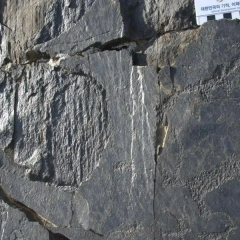
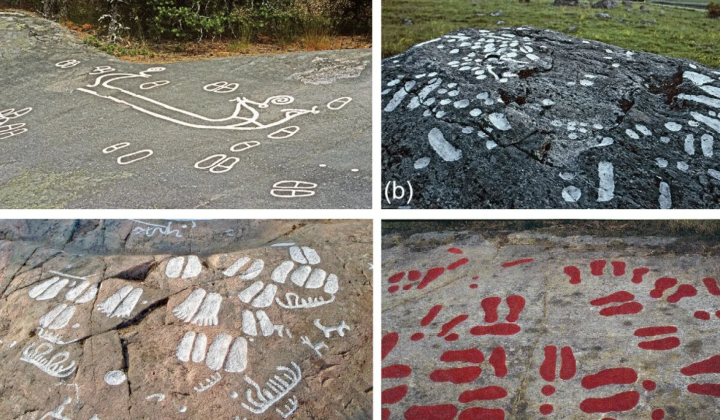
According to НВ — Техно: A recent study published in the Oxford Journal of Archaeology examines rock carvings known as podomorphs from Scandinavia's Bronze Age. The research, led by Fredrik Fahlander of Stockholm University, focuses on the placement and arrangement of these carvings. Findings reveal that podomorphs were designed to mimic real footprints, each being unique and tied to specific individuals. Most carvings were positioned to allow water to flow over them, indicating intentional design linked to the interaction between stone and water.
These stone footprints appear singly or in asymmetrical pairs, interpreted as bonding rituals that may have symbolized friendship, alliances, or marriage. Fredrik Fahlander explains:
“Bronze Age podomorphs are generally associated with specific people.” - Fredrik Fahlander
He further notes:
“The concept of footprints could likely be used for multiple purposes in Bronze Age ontology, but the care and energy invested in this practice show the importance of materializing personal imprints in stone.” - Fredrik Fahlander
This suggests that the stone carvings were not monuments to death but held powerful significance for the living.
The simple footprint is the most common motif in Scandinavian Bronze Age rock art, accounting for over 90 percent of all recorded carvings. When two prints appear together, they almost always differ in size, shape, and detail. Notably, footprints never appear on bronze objects or burial monuments, only on exposed bedrock.
New Archaeological Discoveries
In addition to the podomorph study, archaeologists have uncovered a roughly 1,500-year-old burial site near Nyköping in eastern Sweden. The graves contained colorful glass beads, cremation urns, and burned human remains. Archaeologist Hjalmar Stibeus discovered one urn alongside cremated human bones. These findings underscore the importance of rituals and practices in the Scandinavian world during the Bronze and Iron Ages, when cremation was the dominant burial practice.
The podomorph research and new archaeological discoveries highlight the complexity of social and cultural interconnections in Bronze Age Scandinavian society. They indicate that rock carvings served not only an aesthetic purpose but also a ritual function, strengthening bonds between individuals. Moreover, the cremation burials reveal the development of funerary practices and rituals that held great significance for communities of that era.
In addition to these fascinating findings, recent archaeological work has revealed a significant burial site in Sweden, highlighting the rich tapestry of ancient rituals and customs in the region. Discover more about this intriguing discovery of ancient graves filled with valuable artifacts that sheds light on the cultural practices of the past.

Read also