Russian Communications Tower Destroyed in ATESH Attack, Striking Strategic Targets in Lipetsk

ATESH Movement's Operation
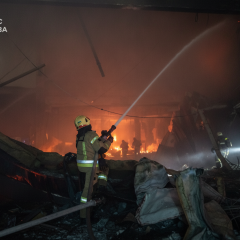
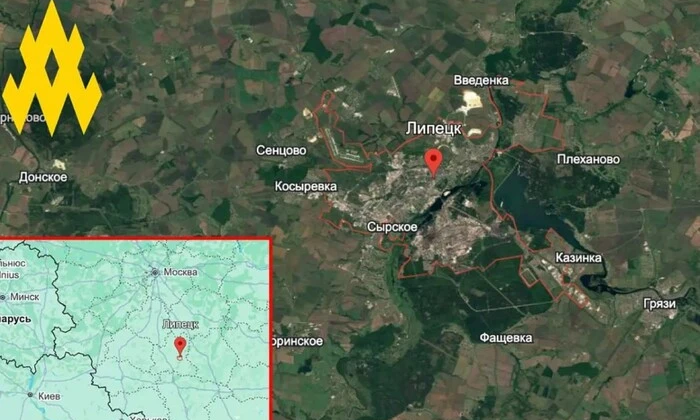
According to Главком: Agents from the Ukrainian partisan movement ATESH have executed a sabotage operation deep within Russian territory, destroying a key communications tower in the Lipetsk region. This tower was critical for coordinating several strategic military facilities, including the 924th Center for Combat Application and Retraining of UAV Personnel, the Lipetsk military airfield, and the 260th Arsenal of the Russian Main Missile and Artillery Directorate. The destruction of this infrastructure highlights the expanding reach of Ukrainian resistance operations behind Russian lines.
The attack on the tower's technical module caused immediate disruptions to both primary and backup communication channels, which could severely hamper the management of military operations in the area. The loss of this node suggests potential consequences for Russian military stockpiles:
“Arsenals of the Main Missile and Artillery Directorate are burning more and more often across Russia. Now, with communications disrupted near the 260th, any strike against it would be far more devastating.”
Partisans of the ATESH movement
Destruction of a Rare Russian Drone
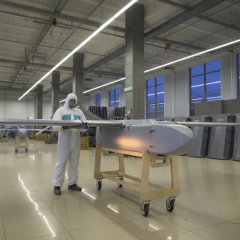
In a related action, drone operators from the 'Dnipro-1' Regiment of the 'Lyut' (Fury) Joint Assault Brigade of the National Police successfully destroyed a rare Russian reconnaissance drone known as the 'Knyaz Veshchiy Oleg' (Prince Oleg the Prophet). This drone was used for deep reconnaissance and artillery fire correction, underscoring the broader impact of the ATESH operation in degrading critical elements of Russian military infrastructure.
This coordinated effort demonstrates the increasing capability and activity of Ukrainian partisan groups operating inside Russia, which could significantly affect the military situation in the region. The targeting of key assets like communication nodes and specialized drones exposes vulnerabilities in Russian military infrastructure and poses risks to their operational capabilities. Such actions are likely to create substantial challenges for Russian command and control, complicating the organization and coordination of their military efforts.

Read also