For the Ninth Straight Time, Russia’s Central Bank Cuts Its Key Rate to 14.25%

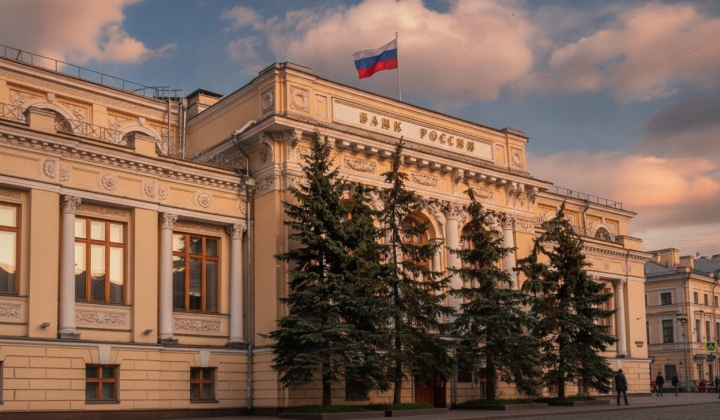
Russia’s Central Bank Lowers Key Rate Again
According to Главком: On June 19, 2026, the Board of Directors of the Bank of Russia decided to reduce the key interest rate by 25 basis points, bringing it to 14.25% per annum. This marks the ninth consecutive easing of monetary policy in the country. As of June 15, Russia’s annual headline inflation stood at 5.6%, with the 2026 inflation forecast ranging between 4.5% and 5.5%.
Economic Outlook and Conditions
Between April and May 2026, seasonally adjusted price growth slowed to an annualized rate of 2.1%. Earlier this year, in the first quarter of 2026, price growth had reached 8.7%. Meanwhile, unemployment remains at historic lows, but a persistent labor shortage is hindering a rapid cooldown of the economy. Currently, 6% of businesses have ceased operations.
In recent months, the pace of lending to both households and businesses has accelerated. This trend may indicate rising demand for credit amid a shifting economic landscape. However, fiscal policy over the next three years is expected to remain more expansionary than previously forecast, largely due to elevated military spending, which could pressure the central bank to keep rates higher.
The Bank of Russia’s next meeting is scheduled for July 24, where further monetary policy steps may be weighed in light of evolving inflation dynamics and economic activity. The central bank’s target inflation rate of 4% is projected for 2027, reflecting its commitment to managing inflationary pressures.
Reducing the key rate is part of a broader strategy to control inflation and support economic activity during a period of declining price growth. Source: Bank of Russia
Still, high military expenditures could influence the central bank’s future decisions, particularly as it seeks to maintain financial stability. The upcoming meeting represents a key milestone for determining the next moves in monetary policy amid a changing economic environment.
As the Bank of Russia continues to adjust its monetary policy amidst fluctuating economic conditions, it may be insightful to explore how similar trends are unfolding in neighboring countries. Recently, Ukraine's central bank reported a decline in major currency exchange rates, reflecting broader regional economic dynamics. Understanding these developments can provide a more comprehensive view of the challenges and strategies faced by central banks in the region.

Read also