Russia's Banking Crisis: A 40% Surge in Cash and the TRIPP Initiative Explained

The State of Russia's Banking System
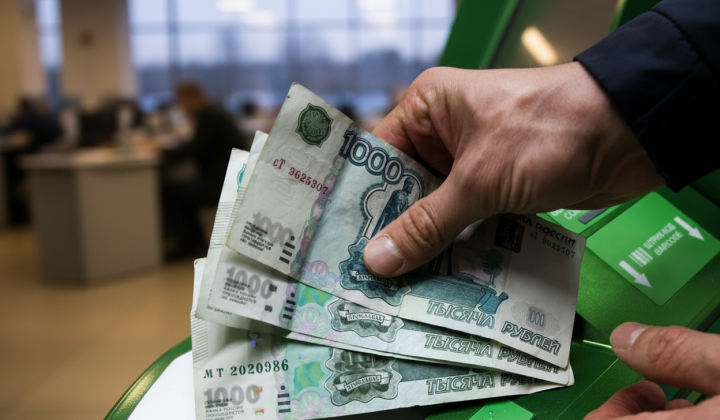
According to Главком: Russia's financial sector is facing severe strain, marked by a dramatic flight to cash. By January 1, 2026, the total cash in circulation reached $253 billion, representing a 40% increase since the start of 2022. The most rapid acceleration occurred between July and September 2025, a clear indicator of the public's eroding trust in banks. This trend highlights a deepening economic crisis where citizens are seeking safety outside the formal banking system.
Concerns persist over the ongoing capital flight from Russian banks. In 2025 alone, the net outflow of funds amounted to $12.8 billion, while the structural liquidity deficit hit $14.7 billion. The Central Bank of Russia forecasts this deficit could balloon to between $32 and $45 billion in 2026. These figures point to profound systemic issues that are driving people toward holding physical currency.
Reasons Behind the Rising Demand for Cash
The primary factors fueling this demand for cash include:
- Declining returns on bank deposits;
- A public desire to ensure uninterrupted transactions outside the banking system;
- The active use of cash to circumvent financial monitoring.
In nations with advanced digital payment networks, cash typically constitutes no more than 10-15% of transactions. In contrast, countries with weak payment infrastructure or chronic distrust of banks can see cash usage reach 30-50% or higher.
Beyond its domestic banking troubles, Russia's influence in the South Caucasus is rapidly diminishing, as noted in an analytical report by Ukraine's Foreign Intelligence Service. In response to these regional shifts, the 'Trump Route for International Peace and Prosperity' (TRIPP) initiative has been launched. It will be managed by a joint Armenian-American company. This development comes as Russia faces increasing international isolation, potentially altering geopolitical dynamics.
The cash surge in Russia reflects not just economic distress but also a significant social shift, showcasing growing public distrust in financial institutions. People are seeking to safeguard their assets, a move that could have long-term consequences for the national economy. Meanwhile, the TRIPP initiative may signal an attempt to forge new international partnerships and stabilize the region, potentially impacting future developments in the South Caucasus and beyond.

Read also