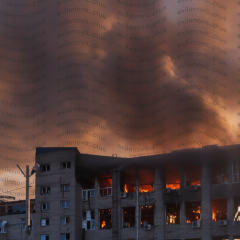
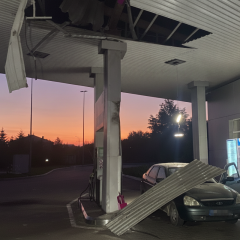
Drones Strike Afipsky Oil Refinery in Russia’s Krasnodar Region

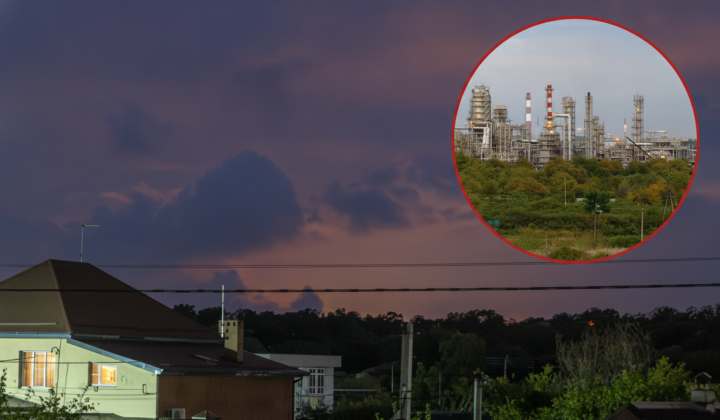
Attack on the Afipsky Oil Refinery
According to Главком: A series of explosions and a fire erupted at the Afipsky oil refinery in Russia’s Krasnodar Krai after a drone assault. Local residents reported the blasts accompanied by the strike, which was carried out using jet-powered unmanned aerial vehicles. Several drones managed to bypass Russian air defenses, highlighting the severity of the incident. This refinery, located in the settlement of Afipsky about 20 kilometers from Krasnodar city, is part of Mikhail Gutseriev’s Safmar group and processes 6.25 million tons of crude oil annually.
The facility produces gasoline, diesel fuel, fuel oil, and other petroleum products, making it a key economic asset for the region. Since the start of the full-scale war, the refinery has endured at least 12 attacks. The previous assault occurred on the night of March 14, when drones hit the AT-22/4 primary oil processing unit. The ongoing strikes reflect a broader pattern of targeting Russian energy infrastructure.
Frequency of Attacks on Oil Refineries
Afipsky ranks among the three most frequently targeted refineries in Krasnodar Krai, alongside the Ilsky and Tuapse facilities. Ukraine’s General Staff has stated that the plant 'supplies the occupation army,' which may explain the repeated attacks. The timeline of these strikes reveals an escalating intensity against this strategic site, threatening not only fuel production but also regional stability.
Meanwhile, the Kuibyshev refinery in Samara also halted oil processing after a drone attack on the night of June 10, underscoring the broader risks facing Russian petroleum operations. These assaults on refineries like Afipsky illustrate Ukraine’s efforts to hit critical enemy infrastructure amid the conflict. The response from Russian authorities to such incidents could shape future developments and the country’s overall economic resilience.
The recent drone strike on the Afipsky oil refinery raises questions about the ongoing pattern of assaults on energy facilities in the region. For further insights into the frequency of these attacks and their implications, you can read more about the situation at the Krasnodar refinery, which faces blasts every five minutes.

Read also