Iran Conflict Drives Up Costs for Businesses and Consumers Alike

Rising Energy Prices Fuel Higher Expenses
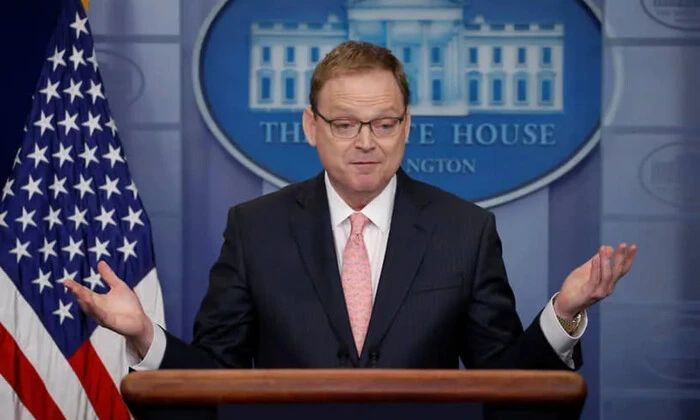
According to Главком: Kevin Hassett, Director of the U.S. National Economic Council, has confirmed that both companies and households are facing increased costs due to surging energy prices triggered by the war in Iran. He anticipates that oil prices could drop once shipping resumes through the Strait of Hormuz, a critical global supply route. This strait handles roughly 20% of the world's oil shipments, and its blockade since late February has been the primary driver of the price spike.
Before the conflict began, Brent crude was trading at $73.21 per barrel. Last Friday, however, Brent oil settled at approximately $100 per barrel. Analysts at Goldman Sachs predict prices will not fall below $90 by the end of this year. In the United States, the average gasoline price has climbed to $4.52 per gallon. The Trump administration characterizes this crisis as 'temporary hardships' that could ultimately yield long-term benefits.
Outlook and Hurdles for Recovery
Kevin Hassett noted that
“as soon as the Strait of Hormuz is fully navigable again, the market expects a flood of oil that will quickly drive prices down.”
Returning to pre-crisis price levels depends on logistics and how quickly production can be restored in the Middle East, as fully rebuilding energy infrastructure damaged by military strikes could take years. The process of fully reopening the strait may require one to two months.
On May 5, 2026, Iran established the Persian Gulf Strait Administration (PGSA), which introduced a new vessel authorization system for the Strait of Hormuz. Ships that ignore PGSA requirements risk being targeted by the Islamic Revolutionary Guard Corps (IRGC). U.S. Secretary of State Marco Rubio expressed hope that
“the Chinese will tell him what needs to be said,”
referring to actions by the Iranian government in the straits. He also highlighted efforts to “hold the global economy hostage.”
The situation surrounding the Strait of Hormuz remains critically important for global energy markets. Developments in the region could significantly impact worldwide oil prices and energy security. Restoring navigation through this strait will be a decisive factor in stabilizing markets, yet the political landscape in Iran and the broader region remains volatile, complicating any predictions about future price trends.
The ongoing blockade of the Strait of Hormuz has led to significant disruptions in global oil supply, causing prices to soar. For a deeper understanding of how these developments are impacting the market, you can explore the recent surge in Brent oil prices, which has now surpassed $108. This situation highlights the critical link between geopolitical events and energy costs, providing essential context for consumers and businesses alike. Read more about this situation here.

Read also