Power Cuts in New Buildings: The Critical Loss of Water and Heating, and How to Fix It

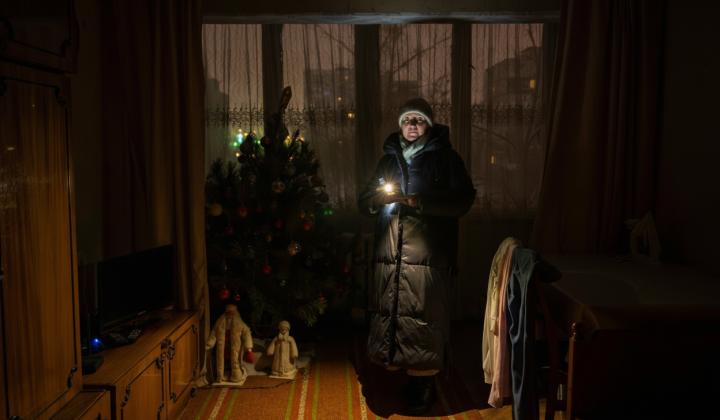
Why New Ukrainian Apartment Blocks Lose Heat and Water During Blackouts
According to ХВИЛЯ: Attacks on Ukraine's energy infrastructure have created severe problems in new residential buildings, where power cuts lead to a simultaneous loss of running water and central heating. Architect Valentyn Pohorilyi points out that the State Building Codes (DBN), which are still used for designing new houses, do not account for the scenarios of full-scale war and prolonged blackouts. According to the expert, the only significant change to these codes since the start of the war has been the mandatory inclusion of bomb shelters. This oversight leaves modern housing vulnerable during the ongoing conflict.
Many residents in new buildings in Kyiv and other cities have found themselves in a situation where a power outage stops the pump systems. This, in turn, means water and heating fluid cannot reach the upper floors. Valentyn Pohorilyi emphasizes that new residential complexes are not designed with blackout resilience in mind, and notes that regulations concerning building insulation are currently not being revised. As apartment owners in modern complexes are co-owners of the entire building, the issue concerns not just initial design but also ongoing management and maintenance.
While new buildings are constructed with insulation at least 20 cm thick-making them two to three times more energy-efficient and better at retaining heat than Soviet-era structures-a critical threshold remains. The danger point for a building is when indoor temperatures drop to -1 degree Celsius, at which point water in pipes can freeze and cause them to burst. For context, if it is -15 degrees Celsius outside, the temperature inside apartments will fall by 1-3 degrees per day. If it is -1 degree outside, it would take approximately 1 to 1.5 months for the building to freeze completely.
Proposed Solutions for Building Self-Sufficiency
Several solutions are proposed to address the lack of building autonomy during blackouts:
- A powerful generator for a 200-apartment building could cost between $100,000 and $150,000. This would increase an apartment's cost by only 3-5% but would ensure the operation of elevators and pumps.
- Current legislation allows residents to install their own modular boiler houses. A contribution of $1,500 per family could make them independent of central networks, assuming the apartment price is in the range of $50,000 to $70,000.
- A dedicated well near the building could also help meet residents' basic sanitary needs.
Therefore, ensuring water and heating supply during blackouts is an urgent issue for new buildings in Ukraine. Given the continuation of hostilities and the possibility of new attacks on energy infrastructure, it is crucial to review existing building codes and adapt them to the new reality. Implementing autonomous solutions could not only improve resident comfort but also reduce dependence on centralized utilities, which is particularly vital under current conditions of instability.

Read also