How Brazil's Bioethanol Shield Protects It from Global Fuel Price Shocks

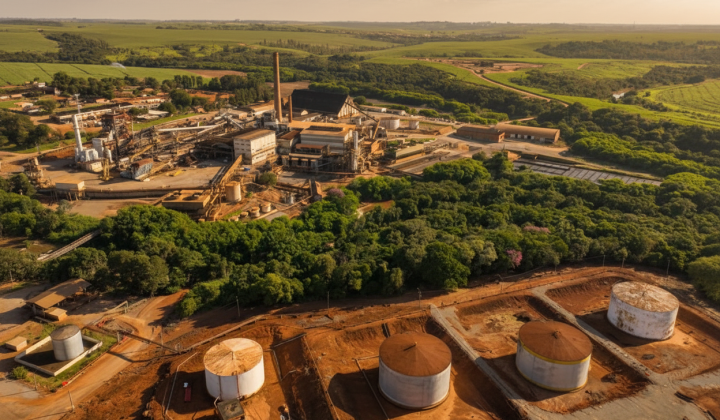
Brazil's Fuel Price Resilience
According to Главком: Brazil is showing remarkable resilience against soaring global fuel prices, largely due to its advanced bioethanol industry, particularly ethanol derived from sugarcane. While diesel prices in Brazil rose by more than 20% in March, gasoline prices increased by only about 5%, a stark contrast to the 30% spike witnessed in the United States. This stability highlights the effectiveness of Brazil's unique fuel model, a strategy developed since the 1970s. The country's proactive investment in biofuels has provided a crucial buffer against volatile international oil markets.
Brazil is projected to produce a record 30 billion liters of ethanol in 2023. Experts point to significant national reserves that help ensure fuel price stability, as underscored by the comment from Evandro Gussi:
"Brazil is far better prepared than most countries because it has a viable alternative of this kind."
This robust bioethanol production allows Brazil to substantially reduce its reliance on conventional fossil fuels.
Ukraine's Diesel Price Surge and Supply Situation
Amidst a global rise in diesel costs, Ukraine is also experiencing significant shifts in this sector. The country is among the top ten nations with the highest rates of diesel price inflation, where costs have surged by 33.9%. However, Serhiy Kuyun, director of the A-95 Consulting Group, assures that
"there is no diesel fuel shortage and none is anticipated."
This indicates that, despite the sharp price increases, supply levels are being maintained at planned volumes. The situation presents a complex picture of economic pressure alongside managed supply chains.
Thus, Brazil, through its long-term strategy of developing a bioethanol industry, demonstrates a strong buffer against global economic challenges, while Ukraine contends with the pressures of rising diesel prices. The circumstances in both nations reflect contrasting approaches to energy security and adaptation to world market conditions.
Overall, the growth of Brazil's bioethanol sector could serve as a model for other nations seeking to reduce dependence on traditional fuels and lower vulnerability to international market fluctuations. In Ukraine, on the other hand, stable diesel supplies despite high prices may point to effective short-term management in the sector, though questions remain about the long-term economic impact on consumers and the broader economy.
As Brazil's bioethanol industry provides a vital cushion against global fuel price fluctuations, the situation in Ukraine presents a contrasting challenge. With diesel prices skyrocketing, experts warn that the cost of diesel could reach unprecedented levels, reflecting the complexities of supply and demand in the European market. Understanding these dynamics is crucial for grasping the broader implications for fuel stability worldwide.

Read also