Bucha and Sandarmokh Are Links in the Same Chain of Russian Terror, Says Budanov

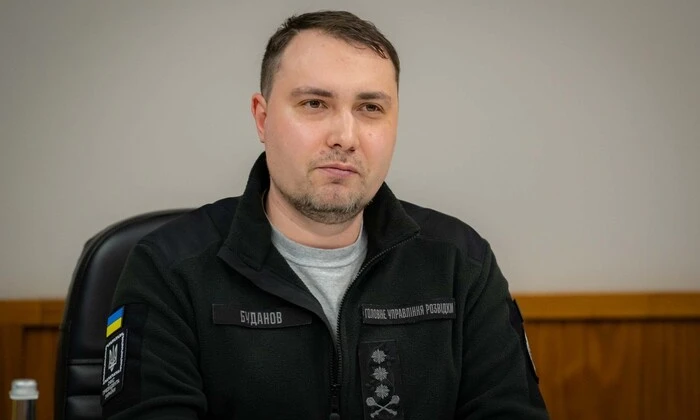
Kyrylo Budanov’s statement on the Day of Remembrance for Victims of Political Repression
According to Главком: On the Day of Remembrance for Victims of Political Repression, Kyrylo Budanov, head of the Office of the President of Ukraine, released a statement drawing direct parallels between Soviet-era atrocities and Russia’s ongoing war against Ukraine. The statement, published on Budanov’s Telegram channel, highlighted three key locations: Sandarmokh, Bykivnia, and Bucha. He described them as 'links in a single chain of Russian terror,' linking historical crimes to modern aggression.
Budanov emphasized that Ukraine now possesses 'a voice, an army, and the will to fight the aggressor,' a stark contrast to the defenselessness of past generations. He stressed the importance of continuing the fight for Ukraine’s victory, asserting that 'modern Ukraine is no longer a helpless target of repression.' He also noted that 'the answer to Russian aggression is the daily elimination of the enemy on the approaches to our freedom.'
'Tyranny begins with fear and silence, and ends with mass graves.' - Kyrylo Budanov
In his remarks, Budanov stated that 'our agency is the best memorial to those who did not live to see this day.' He expressed confidence that 'every tyrant will receive their verdict. Just and inevitable.'
The Role of Historical Memory for Ukraine
Budanov’s statement, delivered on a day dedicated to remembering the victims of political repression, underscores how vital historical memory is for a nation that has endured deep trauma under repressive regimes. Drawing connections between the past and present serves not only as a tribute to victims but also as a call for unity in Ukraine’s resistance against aggression.
Such declarations can strengthen national identity and boost morale during wartime. It is significant that Ukraine’s leadership continues to emphasize the need to remember the past while actively fighting for the country’s future.
Budanov's reflections on the enduring impact of historical atrocities resonate with similar remarks made by President Zelenskyy at Bykivnia, where he also drew connections between Soviet-era repression and contemporary Russian crimes. This ongoing dialogue about the past and its implications for the present emphasizes the need for collective remembrance and resilience in the face of aggression. For a deeper understanding of these parallels, you can read more about Zelenskyy's statements here.

Read also