ByteDance Faces Copyright Infringement Allegations Over Its Seedance 2.0 Video Tool

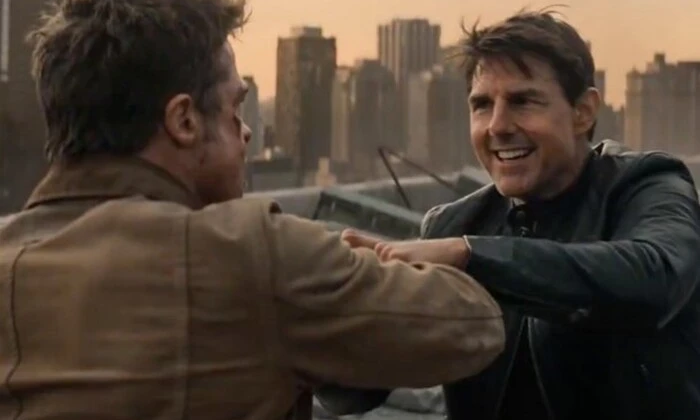
ByteDance's New Generative Video Tool Seedance 2.0
According to Главком: ByteDance has unveiled its new generative video tool, Seedance 2.0, sparking a strong reaction from the Motion Picture Association (MPA). This organization, which represents major American film studios, is accusing ByteDance of facilitating mass copyright infringement. The core allegation is that the tool utilizes clips from movies and likenesses of actors without obtaining the necessary permissions. This dispute highlights the ongoing global tension between rapid AI development and established creative industries.
In response to the accusations, ByteDance stated it is currently testing the technology and has temporarily restricted the ability to generate images of real people. The company claims this measure is intended to mitigate risks associated with the use of copyrighted material. The situation has generated significant concern within the media industry, where experts are worried about the potential implications for content creation and distribution.
Concerns Within the Film Industry
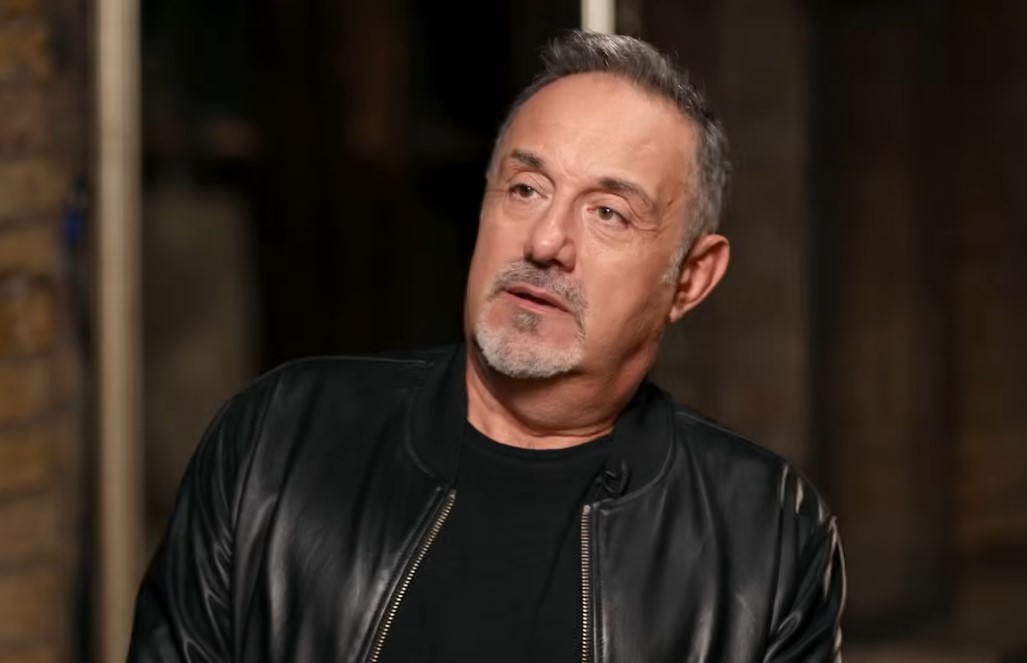
Among those commenting on the situation is screenwriter Rhett Reese, who expressed his anxiety about the future of cinema. He noted:
“It’s probably over for us. Very soon, a single person will be able to make movies indistinguishable from Hollywood productions.” - Rhett Reese
Such statements underscore the broader apprehension about integrating new technologies into traditional creative fields. In a world of rapid technological advancement, copyright and personality rights issues are becoming increasingly urgent. One parallel example involves actress Anila Bisha, who sued the Albanian government for using her face and voice to create a virtual minister named Diella without her consent. This case emphasizes the growing importance of protecting personal rights in an era of technologies capable of generating realistic likenesses.
The controversy surrounding Seedance 2.0 illustrates the escalating tension between innovative AI tools and established art forms like film. Copyright questions become critically important when new tools can produce content that strikingly resembles existing works without respecting intellectual property rights. The advancement of such technologies could fundamentally reshape the media landscape, posing fresh challenges for legislation and ethics in the field.

Read also