Fourth Supersonic Bomber Lost in Two Years: Another Tu-22M3 Crashes in Russia

Tu-22M3 Aircraft Accidents
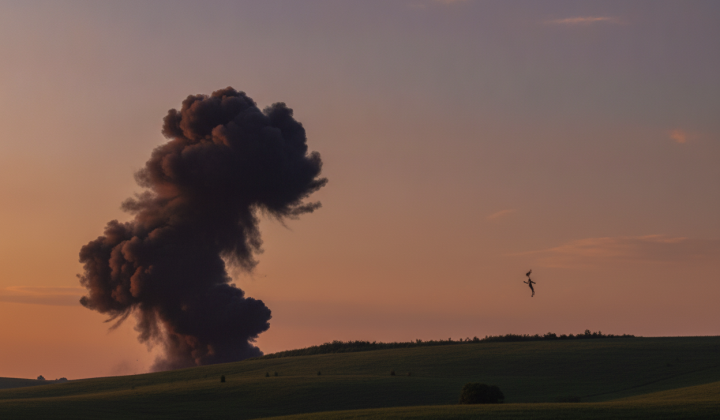
According to Главком: A supersonic Tu-22M3 bomber crashed near Svirsk in the Irkutsk region on June 15, 2026. This marks the fourth loss of this aircraft type due to technical failures over the past two years. Preliminary reports indicate the crew managed to eject safely.
A timeline of Tu-22M3 crashes highlights ongoing technical issues plaguing this bomber model:
- April 19, 2024: A Tu-22M3 went down in the Stavropol region;
- August 15, 2024: Another aircraft crashed in the Irkutsk region;
- April 2, 2025: A Tu-22M3 crashed again in the Irkutsk region;
- June 15, 2026: The most recent crash of this bomber occurred.
Observers note that 'intense combat operations combined with aging aircraft and depleted service life are leading to an accumulation of new technical issues, resulting in non-combat losses of these missile carriers.' This trend of rising accident rates for Tu-22M3 aircraft is causing growing concern among experts.
Incidents in Crimea
Notably, on April 3, 2026, a multirole Su-30 fighter crashed in the temporarily occupied Crimea. The incident happened around 11:00 AM during a training flight with no live munitions on board. Additionally, Murmansk Governor Andrei Chibis confirmed the death of Lieutenant General Alexander Otroshchenko, who was aboard a military An-26 transport plane. The An-26 crash occurred on the evening of March 31, when the aircraft vanished from radar while flying over occupied Crimea. Seven crew members and 22 passengers were on board, all of whom died.
The rising frequency of Tu-22M3 crashes suggests an urgent need to reassess maintenance protocols and modernize the fleet. With ongoing combat operations placing increasing strain on military aviation, aircraft safety and reliability have become critical concerns. The crashes in Crimea further underscore the risks of operating military aircraft in high-tension regions. These developments could have serious implications for regional security stability and may draw heightened scrutiny from the international community.

Read also