Fuel Prices in Ukraine See New Updates: Here’s What Gasoline and Diesel Now Cost

What’s Driving Fuel Price Changes
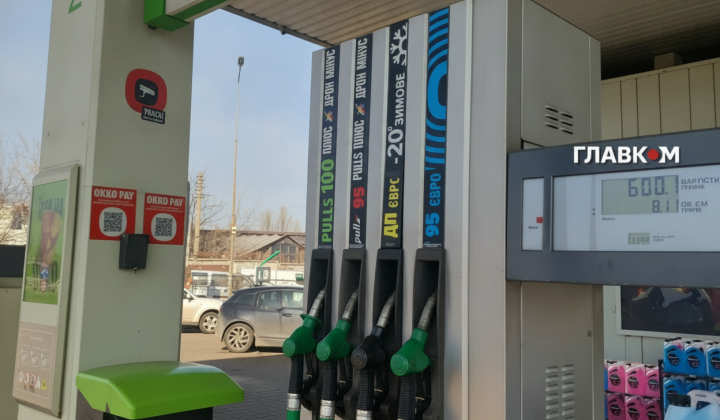
According to Главком: As of June 28, 2026, gas stations across Ukraine have rolled out updated fuel prices. The average cost of A-95 gasoline now stands at 78.34 hryvnias per liter, while diesel fuel averages 77.74 hryvnias per liter. According to data published by 'Glavkom,' the priciest networks remain OKKO, WOG, and SOCAR, whereas BRSM-Nafta and Ukrnafta offer the lowest rates. For instance, A-95 gasoline at UPG stations costs 73.90 hryvnias per liter, compared to 78.90 hryvnias per liter at OKKO, WOG, KLO, and SOCAR outlets.
Fuel Prices as of June 27, 2026 (hryvnias per liter)
A price table from June 27, 2026, lists seven fuel types: A95, A95+, Diesel, Diesel+, A100, A92, and Gas. The networks included in this overview are UPG, OKKO, WOG, KLO, SOCAR, Ukrnafta, and BRSM.
Fuel Cashback Program
A fuel cashback initiative ran from March 20 to May 31, 2026, engaging 2.3 million Ukrainians. Compensation rates were set at 15% for diesel, 10% for gasoline, and 5% for autogas.
Is Ukraine Facing a Diesel Shortage?
Diesel prices in Ukraine have surged by 33.9%, placing the country among the top ten nations with the fastest price increases for this fuel. The primary driver behind this rise is the shutdown of Ukraine’s largest oil refinery, which has pushed over 85% of light petroleum products to depend on imports. Serhiy Kuyun, director of the A-95 consulting group, commented:
“In March, fuel supply volumes remained at last year’s levels.” - Serhiy Kuyun
Why Gas Station Prices Are Fluctuating
Several factors are causing price shifts at gas stations. The main ones include:
- rising demand coupled with shrinking supply and reserves,
- higher actual procurement costs for petroleum products and expectations of further increases in production expenses,
- growing logistics service costs,
- difficulty in comparing fuel storage conditions and capacities across Ukraine.
Antimonopoly Committee Reports on Market Inspection
Pavlo Kyrylenko, head of the Antimonopoly Committee, stated that the committee has found no monopolistic practices in the fuel market. In light of the situation, regulators continue to monitor the market to ensure price stability and prevent any potential abuses.
The fuel price landscape in Ukraine highlights serious economic challenges, particularly the heavy reliance on imports, which could affect consumers’ access to fuel. The sharp rise in diesel costs may significantly impact the transportation sector and other industries dependent on petroleum products. Against this backdrop, regulatory bodies are keeping a close watch on the market to curb misconduct and maintain stable pricing.

Read also