Yasno CEO Explains Rising Power Bills Amidst Blackouts

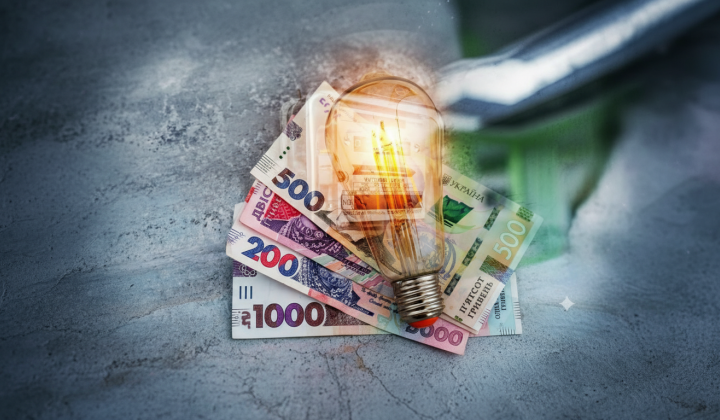
Reasons for High Electricity Bills
According to ХВИЛЯ: Serhiy Kovalenko, CEO of the energy company Yasno, has clarified why electricity bills can increase even during periods of blackouts. He presented an analysis of Kyiv residents' electricity consumption for January 2026, which noted that 62% of Kyiv residents reduced their electricity usage in December 2025. However, in January 2026, the proportion of residents who increased their consumption rose to 41%. According to Kovalenko, this increase is linked to prolonged freezing temperatures and massive attacks on the energy infrastructure.
Serhiy Kovalenko pointed out that the temperature factor, despite the electricity shortage, is stronger than the desire to save.
“Because under stress, rationalization takes a back seat,”
he emphasized. Kovalenko also noted that higher bills are not a paradox, as they result from the cold, concentrated consumption during hours of power availability, and individual consumer behavior. He explained that the number of hours with electricity does not equal the volume of kilowatt-hours consumed.
Technical and Behavioral Factors Driving Bill Increases
Furthermore, Serhiy Kovalenko outlined four key technical and behavioral reasons contributing to higher electricity bills:
- Inrush Current - When power is restored, appliances consume 3-7 times more energy to start up.
- Consumption Patterns - Simultaneous use of high-power appliances and charging stations during periods when electricity is available.
- Delayed Meter Readings - Billing based on average consumption if meter data is not submitted on time.
- Faulty Meter - Potential malfunctions in the metering device itself.
Thus, according to the Yasno CEO, several factors influence the rise in electricity bills during blackouts, driven by both weather conditions and specific electricity usage habits. This situation highlights the complex challenges facing Ukrainian consumers, where coping with infrastructure attacks and extreme weather directly impacts household energy costs. Understanding these factors is crucial for managing personal consumption during the ongoing energy crisis.

Read also