Analysis Reveals Ukraine's Least Active Voters in Parliament: Arakhamia and Buzhansky

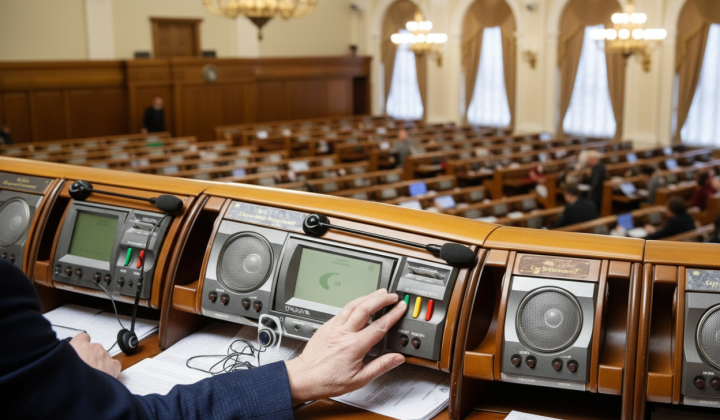
Analysis of Lawmaker Voting Records in 2026
According to Главком: An analysis of parliamentary voting in 2026, published by the 'Chestno' (Honestly) movement, has identified the least supportive members of Ukraine's Verkhovna Rada. The head of the 'Servant of the People' faction, David Arakhamia, and MP Maksym Buzhansky were among those who voted 'yes' in fewer than 30% of cases. Notably, this list excludes deputies who were simply absent, underscoring the seriousness of the findings regarding those who were present but frequently opposed the majority.
By the end of 2025, the number of deputies in the parliament had fallen to 395, a factor that could influence voting dynamics and the passage of legislation. Oleksandr Kovalchuk emphasized that before agreeing to anything in negotiations, the government must first secure a position from parliament, rather than bringing decisions for a vote afterward. He stressed that there are physically enough deputies in the chamber to make decisions.
The Significance of Voting Analysis
It is also important to note that President Volodymyr Zelenskyy did not speak of forcibly mobilizing people's deputies.
“It was only about discussing legislative changes that would allow deputies to become military personnel,” clarified David Arakhamia.
This clarification is relevant amidst ongoing discussions about the roles of public officials during wartime. Such information could be significant for future political and legal initiatives in the country.
Consequently, the results of the 'Chestno' movement's analysis raise questions about the effectiveness of certain deputies and their participation in crucial decision-making processes. This scrutiny comes at a time when legislative efficiency is paramount for Ukraine's governance and reform agenda.
The findings could influence public opinion regarding deputies' performance and their accountability to voters. Identifying the least active parliamentarians may lead to pressure from the opposition and civil society on the government to improve the Rada's overall effectiveness. In the context of the country's ongoing political and military challenges, such data could also impact future election campaigns and party strategies.
As the analysis reveals concerning voting behaviors in Ukraine's parliament, it becomes increasingly vital to understand the broader implications of these findings on legislative processes. The ruling party faces significant challenges in securing votes, which is highlighted in a recent report on the current crisis within the parliament. This situation raises important questions about the ability of lawmakers to effectively represent their constituents and the overall governance of the country.

Read also