U.S. Counterterrorism Director Resigns in Protest Over Iran Military Action

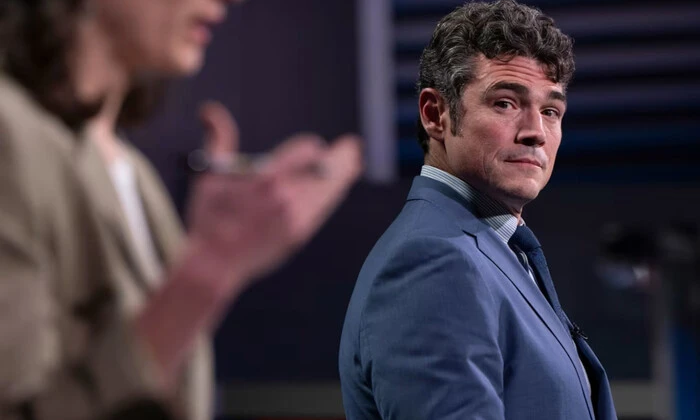
Joe Kent's Resignation
According to Главком: Joe Kent, the Director of the U.S. National Counterterrorism Center, has resigned from his post. His departure stems from his fundamental disagreement with a planned military operation against Iran. Kent stated that
“I cannot in good conscience support a military operation against Iran”
. This decision followed extensive internal discussions and high-level meetings within the administration.
Meetings and Consultations
In the days leading up to his resignation, Kent met with Vice President J.D. Vance and Director of National Intelligence Tulsi Hubbard. This meeting took place just one day before his resignation was made public. Sources indicate that Vance advised Kent to discuss his stance with Trump's Chief of Staff, Susie Wiles. However, despite this counsel, Kent remained firm in his position.
Following the resignation announcement, White House Press Secretary Carolina Levitt publicly disputed Kent's claims, highlighting a clear divergence in views between the leadership of the National Counterterrorism Center and the administration. This resignation occurs amid reports that direct contacts have reportedly resumed between U.S. Special Envoy Steve Witkoff and Iranian Foreign Minister Abbas Arachi, suggesting a potential shift in U.S. diplomatic posture toward Tehran. The timing of these events is significant, as the U.S. administration appears to be weighing military and diplomatic options simultaneously.
Kent's resignation underscores a serious internal rift over national security strategy, particularly concerning Iran. It raises critical questions about the administration's future direction in this volatile region. In the context of renewed diplomatic contacts, this move may signal a broader policy reassessment that could impact regional stability and international relations. Observers anticipate that this high-profile departure will have consequences not only for U.S. policy but for global diplomacy as a whole.
The recent resignation of Joe Kent highlights the growing tensions within the U.S. administration regarding military strategies in the Middle East. As discussions about military actions against Iran intensify, efforts to re-establish diplomatic ties are also being explored. This dual approach raises important questions about the future of U.S. foreign policy in the region and its implications for security and stability.

Read also