Ukrainian Skeleton Athlete Vladyslav Heraskevych Barred from 2026 Olympics Over Memorial Helmet

Ukrainian Skeleton Athlete Vladyslav Heraskevych Barred from 2026 Olympics Over Memorial Helmet
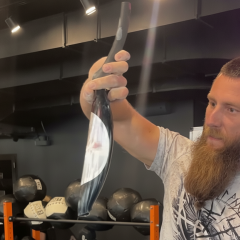
According to Главком: Ukrainian skeleton athlete Vladyslav Heraskevych has been disqualified from the 2026 Olympic Games for wearing a helmet honoring athletes killed by Russia. The International Olympic Committee (IOC) prohibited Heraskevych from competing in the specific helmet, leading to his suspension just 45 minutes before his event was set to begin on February 12. This incident highlights the ongoing tensions between sports governing bodies and athletes' personal expressions of remembrance, particularly in the context of Russia's war in Ukraine.
The following day, on February 13, the Court of Arbitration for Sport (CAS) heard Heraskevych's case. However, his appeal against the IOC and the International Bobsleigh and Skeleton Federation (IBSF) was rejected. The athlete's lawyer, Yevhen Pronin, submitted a request to CAS seeking to restore Heraskevych's right to participate in the 2026 Games.
Support and Reaction
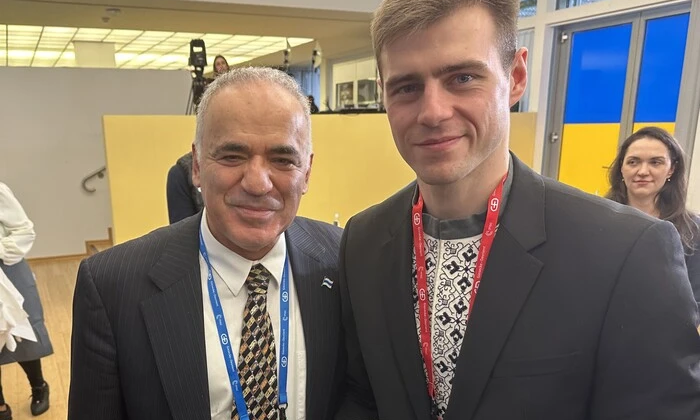
In Munich, Heraskevych received support from renowned chess grandmaster Garry Kasparov, the thirteenth World Chess Champion. Kasparov, who holds eleven Chess Oscars and led the FIDE world rankings from 1985 to 2006 with two brief interruptions, expressed his solidarity, stating:
'A day after I said I stand with Vladyslav Heraskevych when the IOC shamefully disqualified him for a helmet honoring the memory of athletes killed by Russia, I had the honor of standing next to him in Munich. He put principle above glory and showed why Ukraine can never be defeated.' Garry Kasparov
The disqualification of Vladyslav Heraskevych has become a significant event, underscoring the conflict between sport and politics and the international sports community's stance on issues of memorial and commemoration. This situation has sparked widespread discussion within the sporting world, emphasizing the importance of ethical norms and principles in professional athletics. Heraskevych's case has impacted his career and has become a symbol of the struggle for athletes' rights and the honoring of victims' memory, a particularly resonant issue in times of global political conflict.

Read also