Russia's Oil Revenue Plummets by 20% as Sanctions and Price Discounts Drain Kremlin Coffers

Russia's Economic Challenges in 2025
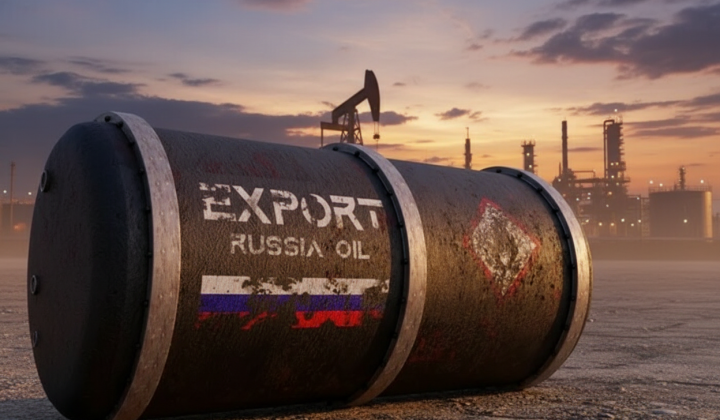
According to Главком: Russia's revenue from oil exports in 2025 has fallen by 20% compared to 2024. This sharp decline is a direct result of international sanctions, lower global oil prices, and a widening discount on Russian crude, creating a significant budget deficit and reducing the share of energy earnings in the national budget. The energy sector's contribution has plummeted from 50% to approximately 24%. This shift highlights the growing pressure on a cornerstone of the Russian economy.
The Oil Market Situation
In November 2025, the price gap between Brent crude and Russia's Urals blend doubled. The discount on Urals oil exceeded $24 per barrel, compared to an average of around $15 over the previous two years. For some shipments to India, the price fell to just $22-25 per barrel. A $10 deviation in the average Urals price from the budget's assumption could slash revenues by 1.5 to 1.8 trillion rubles.
Forecasts indicate that if low oil prices and a strong ruble persist, the budget deficit could reach roughly 3 trillion rubles by year's end, equating to about 7.5% of the revenues Moscow anticipates for 2026. The European Commission plans to propose that EU countries cease purchases of Russian oil by the end of 2026. Concurrently, the Russian company Lukoil has reached a preliminary agreement to sell its foreign assets to the American investment firm Carlyle.
"Oil has long been the primary source of Russia's energy revenues, and this gap has widened following the loss of the European gas market in 2022," - Janis Kluge
The oil market situation remains volatile, and further shifts could substantially impact the Kremlin's financial standing.
The drop in oil export income signals the severe economic headwinds Russia faces under international sanctions and global price fluctuations. This trend could lead to further economic isolation and a diminished role on the world stage. If it continues, these economic difficulties may exacerbate internal socio-economic problems, requiring urgent attention from policymakers.

Read also