China's Expanding Pinglu Valley: Site of a 1556 Catastrophe That Killed 800,000

The Geology Behind Pinglu Valley
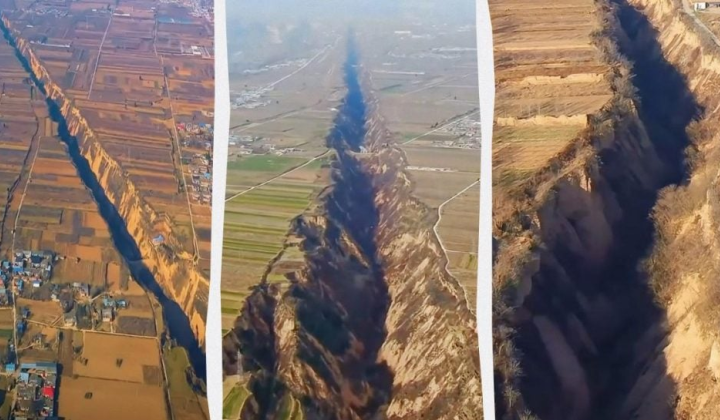
According to УНІАН — Туризм: Tucked into north-central China, Pinglu Valley stretches roughly 10 kilometers in length, reaches widths of up to 2 kilometers, and plunges about 100 meters deep. It forms part of the active Shanxi rift system, which extends for more than 1,200 kilometers and continues to widen. According to measurements, the valley's distinctive structure lengthens by about 0.5 to 1.6 millimeters each year, driven by stresses from the collision between India and Eurasia, thinning lithosphere, and mantle dynamics. Understanding this landscape is crucial not just for geology, but for anticipating future earthquake hazards in a densely populated country.
The valley also carries a tragic historical weight. In 1556, one of history's most devastating earthquakes struck the area, claiming more than 800,000 lives. Many of the victims died when their cave dwellings, carved into loess, collapsed. Because of this ongoing seismic activity, the region attracts historians and geologists alike, offering a natural laboratory for studying landscape evolution.
Why Tourists Visit Pinglu Valley
The loess soil of Shanxi province erodes rapidly in water, carving deep ravines and canyons. Pinglu Valley has become a favorite spot for tourists and photographers, drawn by its dramatic scenery, which appeared in the 2016 film 'The Great Wall'. Researchers have also found evidence of a rock ledge that produced formations similar to those seen in the Grand Canyon.
All of this makes Pinglu Valley both a geologically important site and a popular travel destination, blending natural wonders with a potent historical legacy.
With its unique geological makeup and significant earthquake history, Pinglu Valley continues to capture the attention of scientists and visitors.
Its expanding rift system is a vivid reminder of the ongoing geological forces shaping the region. Given the past quakes, continued research is essential to better understand seismic risks. In addition, growing tourist interest could boost the local economy and support conservation efforts.

Read also