Ukraine's Environmental Toll from Russian Aggression Reaches Nearly 6.4 Trillion Hryvnias

The Environmental Cost of Russia's Invasion
According to Главком: Ukraine's State Environmental Inspectorate has assessed the environmental damage from Russia's full-scale invasion at nearly 6.4 trillion hryvnias. The analysis breaks down this immense cost into several key categories, including:
- Soil contamination
- Air pollution
- Damage to water resources
- Losses to protected natural areas
The vast majority of the documented incidents are being investigated as part of pre-trial criminal proceedings under Article 441 of the Ukrainian Criminal Code, which addresses the crime of ecocide.
Statistics on Environmental Harm
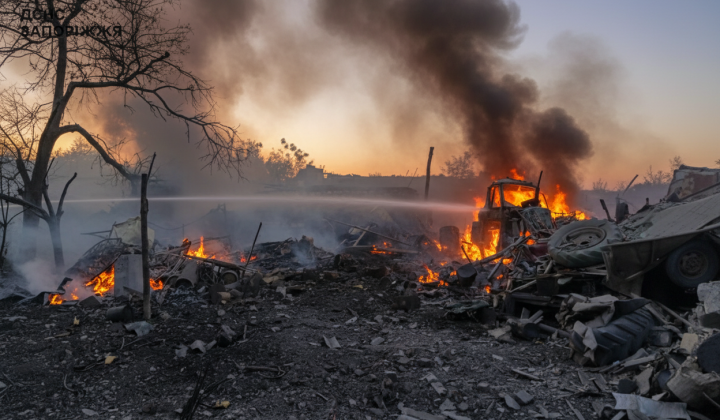
Since the invasion began, authorities have recorded 10,885 separate instances of environmental damage. Specifically, harm from soil contamination and land littering due to missile and bomb strikes amounts to 1.34 trillion hryvnias. Damage from air pollution caused by combustion products is estimated at 1.15 trillion hryvnias, while losses from water pollution, littering, and illegal water use reach 120 billion hryvnias. Furthermore, the destruction of territories and objects within Ukraine's protected natural reserve network totals 3.8 trillion hryvnias.
The National Academy of Sciences of Ukraine has confirmed that missile strikes, fires, and infrastructure destruction have radically altered the composition of the atmosphere. In the temporarily occupied Crimea, coastal pollution from fuel oil has also been documented, underscoring the vast scale of the ecological catastrophe triggered by the aggression. These environmental impacts represent a long-term threat to regional ecosystems and public health, extending far beyond the immediate battlefield.
The damages recorded by the State Environmental Inspectorate reflect not only the war's ecological consequences but also a profound threat to public health and Ukraine's future economic development.
The environmental devastation is likely to have enduring consequences for ecosystems and will require comprehensive, long-term restoration efforts. As investigations continue, it is crucial that the issue of wartime environmental damage becomes a central part of the international legal discourse on accountability for ecocide during armed conflict.

Read also